Fabric GSM testing measures fabric mass per unit area, expressed in grams per square metre. Clothing buyers use it to check whether supplied material matches an agreed weight specification. For woven women’s wear, that information supports material approval and bulk receipt decisions, but it does not establish every aspect of quality. A practical buyer plan identifies what is being weighed, how samples are selected and what variation the order permits.
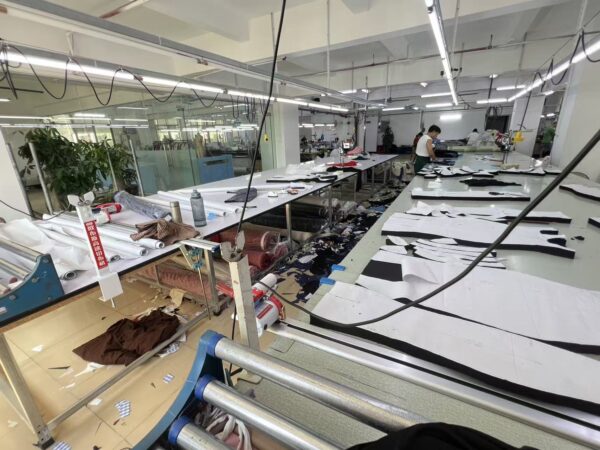
State the weight specification in the purchase brief
Record the target GSM, the agreed allowable range and the material state being assessed. Identify fabric composition, construction, width, color and finish alongside the weight. Confirm whether the target refers to finished bulk fabric, an earlier material stage or a specific approved sample.
Do not mix grams per square metre with grams per linear metre. Linear-metre mass depends on width as well as area weight. A supplier quoting one unit and a buyer recording another can create a discrepancy without any actual change in fabric. Keep units explicit in every submission and report.
Select a method and sampling plan
Ask the laboratory or qualified quality team to identify a suitable procedure. ASTM D3776/D3776M covers methods for determining fabric mass per unit area. Confirm the applicable option and agreed edition rather than using the standard number as a substitute for specimen instructions.
Specify the rolls or lots represented, the sample locations, the number of determinations and any exclusions. A small specimen describes the material sampled; it does not automatically represent every roll in a shipment. Define the sampling plan before a disagreement arises, with particular attention to whether different colors or finishing lots need separate checks.
Understand the calculation and its limits
The basic calculation is specimen mass in grams divided by specimen area in square metres. As an arithmetic illustration, a specimen of exactly 0.01 square metre weighing 1.8 grams corresponds to 180 GSM. This example explains the unit relationship, not a complete test method or an acceptance limit.
Accurate area and mass measurement matter. Confirm the cutting tool, balance and procedure used by the testing team. Follow the chosen method’s requirements for preparation and measurement instead of improvising a small swatch and reporting the result as a formal laboratory determination.
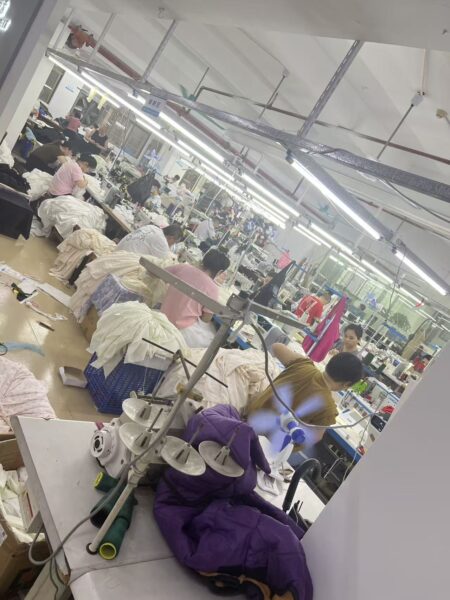
Keep conditioning and material state consistent
Ask the testing team to follow the specified conditioning procedure and record relevant conditions. Moisture and finishing state can influence measured mass, so compare like with like. A freshly processed sample and a conditioned reference should not be treated as equivalent solely because their labels show the same product code.
Where a buyer and supplier report different values, first compare sample identity, conditioning, procedure and units. Request matched samples or a jointly agreed laboratory review when needed. Changing the tolerance before understanding the discrepancy makes the approval less reliable.
Separate weight approval from performance approval
Two fabrics with the same GSM can differ in construction, drape, coverage and durability. Passing the weight specification does not establish that the material feels right or performs adequately in the intended dress or blouse. Keep GSM as one defined property within the fabric sourcing and approval process.
Compare material appearance and the approved fabric hand-feel reference separately. If the GSM is within range but the fabric behaves differently, investigate the relevant property rather than approving it automatically or attributing every difference to weight.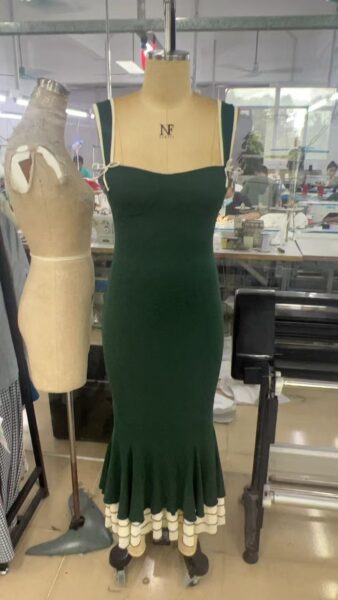
Make bulk acceptance decisions traceable
Record individual results and the summary required by the sampling plan. Identify the lot, roll or specimen associated with each determination and compare the findings with the written acceptance criteria. State who can authorize release, additional sampling or rejection.
For incoming material, link the result to the fabric inspection record before cutting. If the findings fall outside the agreed range, hold the affected material while the buyer and supplier review the evidence. Document any authorized exception with its scope; do not silently replace the original specification.
Ask for evidence that the buying team can use
A usable report identifies the material, method, units, sampling information, conditions and results. Check that its fabric and lot references match the purchase documents. The textile test report review checklist helps identify missing details before relying on the report.
When requesting a material-based quote from Mugekoo, provide the target GSM, allowable range, fabric reference, quantities and any buyer testing requirements. Ask the factory to confirm material availability and how bulk weight will be checked. This supports an informed purchase without treating a higher GSM as an automatic guarantee of better clothing.