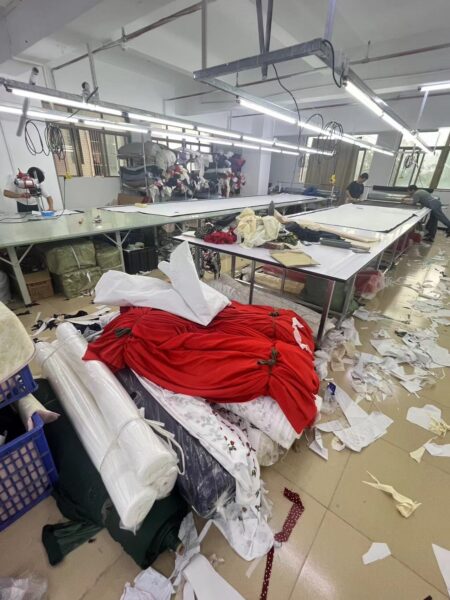
Pleated skirt manufacturing requires more than a front-view reference photo. A supplier needs to understand how the folds are formed, where they are secured, and how the silhouette should look after wear and care. For overseas brands, wholesalers and retailers, a useful production brief connects the design to measurable approvals. This guide focuses on sourcing and approving pleated skirts, including waistband fit, pleat layout and bulk consistency.
Define the pleat architecture before requesting a quote
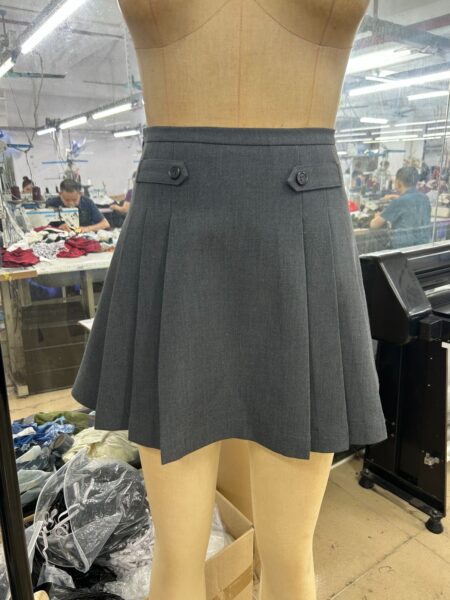
Specify knife, box, inverted or another pleat arrangement with a front and back drawing. Mark the fold direction, number of pleats, visible pleat width, underfold depth and distance between folds. State whether pleats start at the waistband or below a smooth hip section, and whether they are stitched down for part of their length.
Include side and back views. A front photograph cannot show whether the design has continuous pleating around the body, a flat back, or a concealed opening. Position pockets, decorative tabs and closures on the drawing so the supplier can identify operations and avoid quoting a simpler construction than intended.
Approve fabric and care behavior together
Ask for fabric composition, weight, usable width and the proposed pleating process. Do not assume every woven fabric will hold the same fold appearance. Request a trial panel in the actual proposed material, followed by a complete sample when the construction is agreed.
Evaluate the folds before and after the agreed care treatment. Record whether a crisp crease, softer drape or partially relaxed pleat is acceptable. A material can look suitable when freshly pressed but behave differently after laundering. Use the existing fabric sourcing guide to prepare material details, then add skirt-specific pleat trials to the approval plan.
Check the waistband, opening and movement
Confirm whether the waistband is fixed, partly elasticated or fully elasticated. Identify finished waist measurement, waistband depth, fastening location and any lining attachment. For a fixed waistband, check the closed fit and the usable opening when the zipper or fastening is released. The garment must be practical to put on as well as attractive when worn.
Review sitting and walking in the intended sample size. Look for folds opening unintentionally over the hip, restricted movement, lining pulling against the shell and pockets distorting pleats. Record the agreed waist and hip measuring positions using defined garment points of measure. Measure from repeatable landmarks rather than choosing a different position on each sample.
Make grading preserve the intended silhouette
Ask the pattern team how pleat count, pleat depth and spacing change across sizes. Maintaining the same visual rhythm may require decisions beyond adding equal amounts to every panel. Review whether a larger size needs additional underfold allowance, a different waistband length or changes around the closure.
Approve a size set where the order and fit risk justify it. Compare the smallest and largest ordered sizes for pleat alignment, pocket position and hem shape. The women’s clothing size grading guide supports the size approval process; the skirt brief should retain its own pleat diagram and finished measurements.
Compare quotations on the same construction
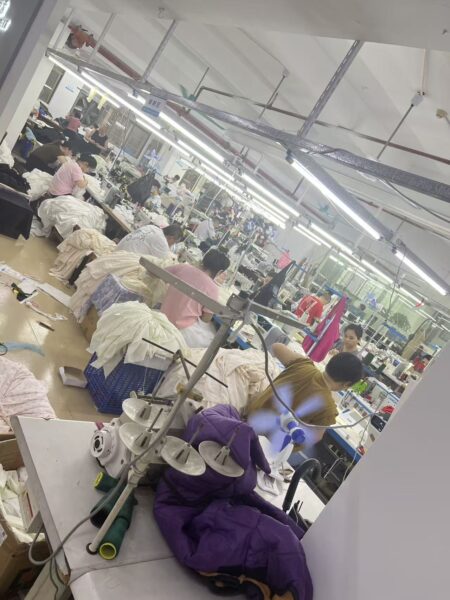
Request separate confirmation of shell fabric, lining, pleating work, waistband components, closures, pressing, testing and packing. Ask whether pleating is completed internally or by a specialist processor, and who checks incoming pleated panels. Confirm minimum quantities by fabric and color, because a small garment order may still depend on a larger material commitment.
For example, two prices for a grey mini skirt are not directly comparable if one includes a lined, pressed box-pleat construction and the other assumes unlined sewn folds. Define the approved process before discussing savings. Any alternative fabric or simplified finish should receive a new sample approval.
Set bulk inspection and packing checkpoints
Check pleat direction and spacing against the approved sample, inspect attachment points and confirm that closures work without catching underfolds. Review pressing marks, uneven hems, lining visibility and mismatched pleat placement across panels. Check measurements under the agreed measuring conditions; flattening folds excessively can distort the result.
Approve folding or hanging instructions with a packed sample so transit does not unnecessarily crush the silhouette. Retain the signed construction sheet and sample identification with the order. To discuss a pleated skirt project with Mugekoo, send drawings, fabric preferences, size quantities and the target delivery window through the manufacturing RFQ preparation checklist.