A private label dress manufacturer can quote a woven style only after the reference has become a production brief. A polished first sample may show the intended silhouette, but it does not settle the lining, seam finish, label placement, colour standard or construction method that will be repeated in bulk. Before approving a style, give the factory one clear record of what has been decided and what still needs testing.
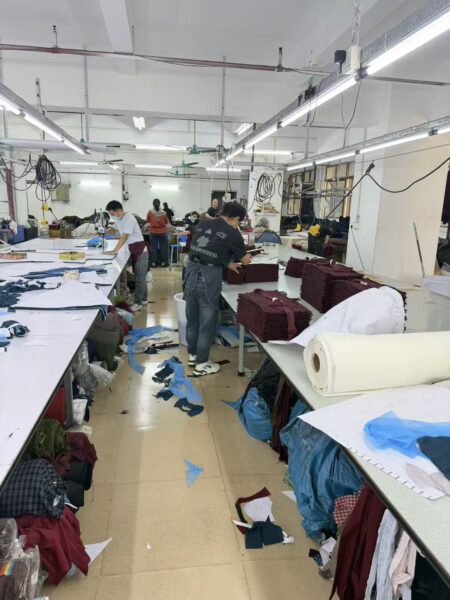
Turn the visual reference into a dress approval pack
Start with front and back views, a base-size measurement chart, a size range and close-ups of the neckline, waist, closure and hem. Identify which details are essential to the look and which are open for factory recommendation. A hand-drawn note such as “more structured skirt” is useful only when it is linked to a sample, an intended fabric weight or a finished-garment result.
The custom clothing manufacturing service is the right starting point when the pattern, fabric or construction still needs development. Tell the factory whether it is adapting a supplied pattern, building from a reference garment or developing from technical drawings. That distinction affects the sampling work; it should not be hidden inside a unit-price request.
Approve the shell, lining and support materials together
Woven dresses often change character when the lining, fusible support or zip is added. Ask for the shell and lining references used in the sample, including their composition, weight and colour code where those details are available. If an early sample uses substitute material, label it as a development sample rather than treating it as final evidence of drape or opacity.
Review light colours under practical lighting and check the garment while standing, sitting and walking. The fabric hand-feel approval guide can help separate a subjective feel comment from a traceable material decision. If a fabric alternative is proposed because of availability or purchasing conditions, request a separate comparison and decide which fit and appearance checks must be repeated.
Check the construction where the wearer puts stress on it
For a fitted or semi-fitted dress, inspect the neckline, armhole, waist seam, zip area and hem as the garment is worn. Look for twisting, seam impressions, uneven gathers or a lining that pulls the outer shell. Record the sample size and actual measurements alongside the requested specification. This makes it easier to distinguish a pattern issue from a sewing issue.
Do not assume a stronger seam is automatically the better solution. A seam change can affect comfort, bulk and the visible finish. For styles with load-bearing seams or an exposed zip, use the garment seam-strength testing guide to define what should be verified before the method is repeated at scale.
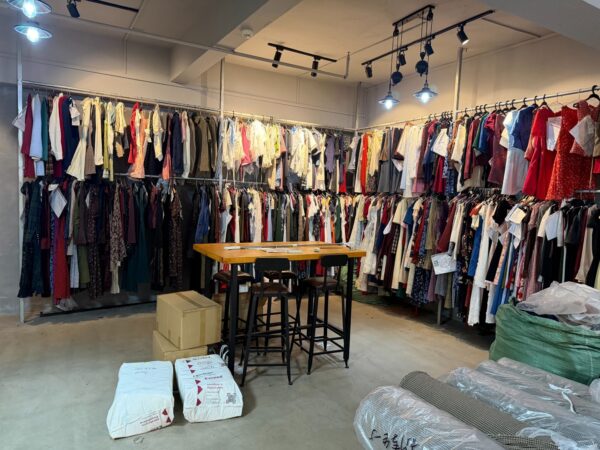
Use a pre-production sample as the bulk reference
Before cutting bulk fabric, confirm which sample represents the approved version. It should show the agreed material combination, trims, labels, construction and packaging requirements that are known at that point. The pre-production sample guide explains why an attractive development sample is not automatically the right bulk-control sample.
Keep changes after approval visible. A new label, a changed lining or a revised hem allowance can be small on its own but still require a new reference or a targeted recheck. Agree who may approve a change and how the latest specification is identified on the production floor.
Ask for a quote against the same version you approved
Send quantities by colour and size, the destination, the expected delivery window and the latest approved reference. Ask the factory to distinguish the garment minimum from any material or trim purchasing condition. Sample charges, revision scope, bulk price and production lead time depend on the style information and order split; they should be confirmed for the actual project rather than assumed from a general example.
The women’s clothing manufacturing RFQ guide helps buyers compare quotations based on the same shell fabric, lining, trims and construction. Message Mugekoo on WhatsApp with your dress reference, measurement chart, fabric preference and quantities by colour and size to discuss sampling feasibility and a style-specific quotation.