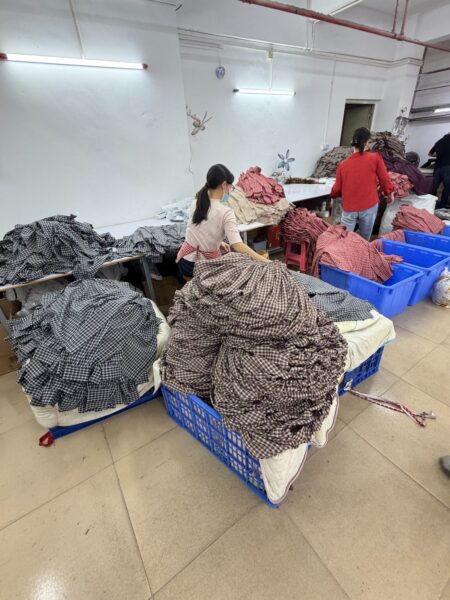
A purchase order for 200 two-piece sets should leave no doubt about what arrives: 200 wearable outfits, with the agreed top and bottom in each one. A total of 400 garments can hide a shortage if the sizes or colors do not pair. When briefing a private label women’s two-piece set manufacturer, define the finished outfit as carefully as each component.
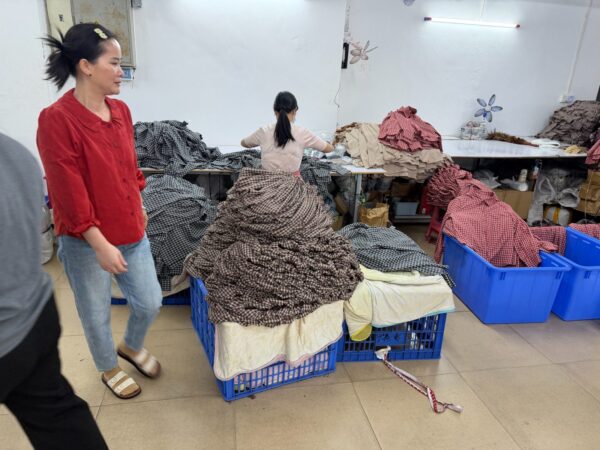
State whether you are buying sets or separates
Give the top and bottom separate style codes and link them with a set reference. State whether they will share one retail package or be sold separately. If customers can choose different sizes for the two pieces, provide the quantity matrix for each component. Do not let a single “set size” column stand in for that information.
For a fixed-size blouse-and-skirt set, list the number of complete sets required in each color and size. Ask the supplier to show the corresponding component quantities on the quotation. The manufacturing RFQ guide is a useful starting point; add the pairing requirements to it.
Review the outfit in the proposed fabrics
Ask for the top and bottom to be shown together. If they use the same material, agree how fabric lots will be allocated and how the paired appearance will be checked. If they use different materials, approve the combination rather than relying on the same color name.
Compare the garments side by side and on the wearer in consistent lighting. Record which pair is the approved reference. A fabric change to just one piece needs a new paired review, even when the revised garment looks acceptable by itself. The custom clothing manufacturing overview explains the sourcing and sampling services to discuss for the project.
Fit each piece, then fit them together
Keep a measurement chart for each garment. Check the complete outfit standing, sitting and moving. With a cropped blouse and skirt, for example, the top length and skirt rise together determine coverage. If coverage needs changing, specify which component should change so the factory does not alter both.
Review the intended size range before production. An acceptable base-size pair does not confirm the relationship at the ends of the range. Ask the factory which additional size samples are needed and quote that work separately if it is outside the agreed development scope.
Agree how complete sets will be counted
Approve a packed example with the correct labels, component sizes and bag information. Decide what happens to an unmatched piece, a replacement component or a short quantity before dispatch. Inspection records should show complete sets and unresolved individual garments separately.
Before releasing the order, use the pre-production sample checklist to record the accepted materials and sample versions. Ask whether any material minimum applies across both pieces or separately. Confirm sample fees, component or set unit prices, and packing charges on the same basis.
Request a two-piece set quotation on WhatsApp. Send Mugekoo drawings for both garments, material references, the size-pairing matrix and your required number of complete sets. Ask for confirmation of the production scope, applicable minimums and the approval steps needed before bulk.