A supplier has a fabric you like, and the available quantity looks sufficient for a small dress order. Before reserving it, ask what that number means. Is it one lot or several shades? Is the full quantity still for sale? Has the factory checked how much can actually be cut?
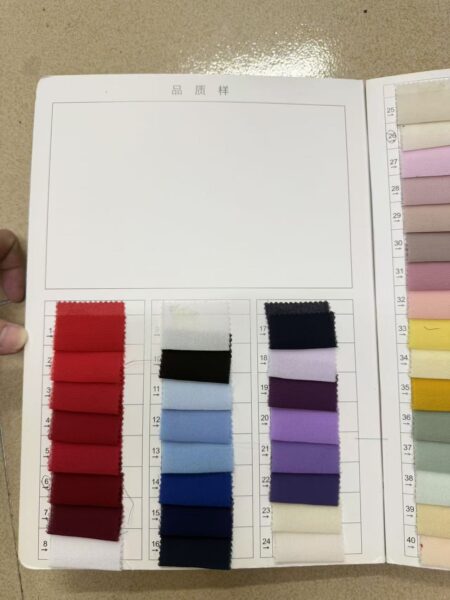
Deadstock can be an option for a limited collection, but the material decision should come before a firm finished-garment quantity. A small batch women’s clothing manufacturer needs the actual roll information to assess the order.
Identify the stock behind the swatch
Ask what the supplier means by deadstock and request the material reference, stated composition, width, finish and available quantity. Find out whether the swatch came from the rolls being offered. A sample book is useful for choosing a direction, but it does not establish what remains in stock.
If a composition or performance claim matters to your product, ask what evidence supports it and whether it relates to the proposed lot. Existing stock is not, by itself, proof of recycled content, certification or a particular environmental benefit. Keep product claims within the evidence you hold.
Have the factory assess usable quantity
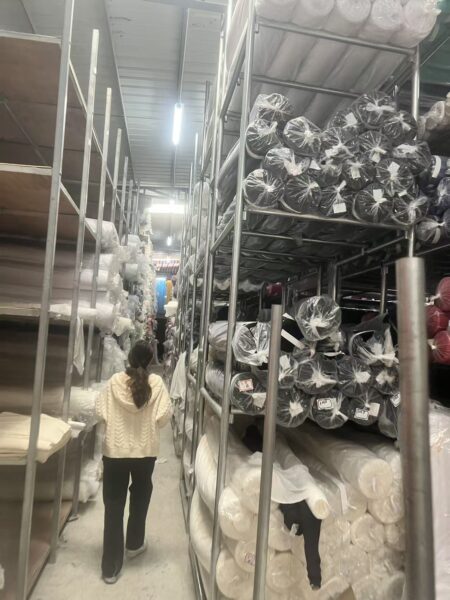
Ask for a roll-by-roll check of quantity, shade and visible condition. Discuss usable cutting width and the garment layout, including print matching or one-way placement where required. The number of dresses should follow the usable fabric and the size ratio, not simply the supplier’s headline meterage.
Identify fabric needed for samples, agreed checks and any repair reserve. Ask whether those amounts are already included in the consumption estimate so they are not deducted twice. The fabric MOQ versus garment MOQ guide explains why material availability and the factory’s sewing minimum are separate questions.
Approve the garment in the proposed stock
Make a representative sample from the fabric that will be purchased. Check fit, coverage, seam appearance and the proposed care treatment. If the stock includes different shade groups, agree how they will be allocated and which differences are acceptable before cutting.
The custom clothing manufacturing service is a starting point for discussing that sampling and production scope. Ask what remains uncertain after the sample and what must be resolved when the rolls arrive. A good sample from one roll cannot confirm the condition of every other roll.
Set a shortfall and reorder plan
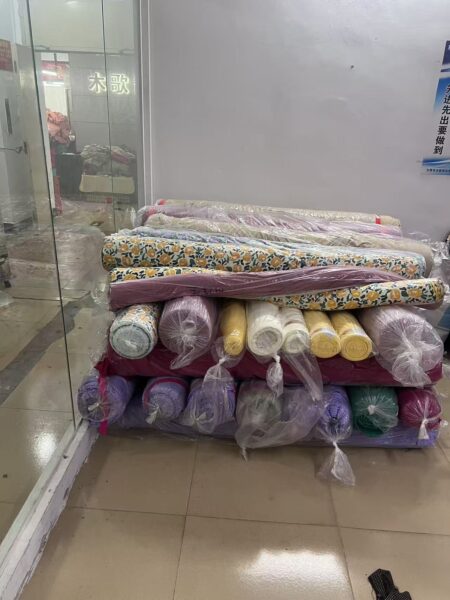
Decide what happens if the inspected fabric supports fewer garments than planned. Options might include reducing the order, removing a color or reviewing another material as a separate proposal. Do not let a similar-looking replacement enter production without approval.
For a repeatable collection, ask whether the material can be replenished and on what basis. If that cannot be confirmed, plan the style as a limited run rather than promising continuous supply. Record who pays for and owns any remainder, and how it will be stored or returned.
Ask Mugekoo to assess the material on WhatsApp. Send the fabric reference, roll data, intended styles and quantities by color and size. Use the manufacturing RFQ checklist to request a scoped feasibility review, sample fee and bulk quotation before committing to the stock.