Women’s woven vest manufacturing requires buyers to define both the garment’s shape and how it will be worn. A fitted waistcoat worn as a top needs a different sample review from a relaxed vest layered over a blouse. For overseas fashion brands, wholesalers and retailers, a useful brief turns those expectations into construction and fit approvals. This guide focuses on woven fashion vests and waistcoats, rather than insulated outerwear or knitted sweater vests.
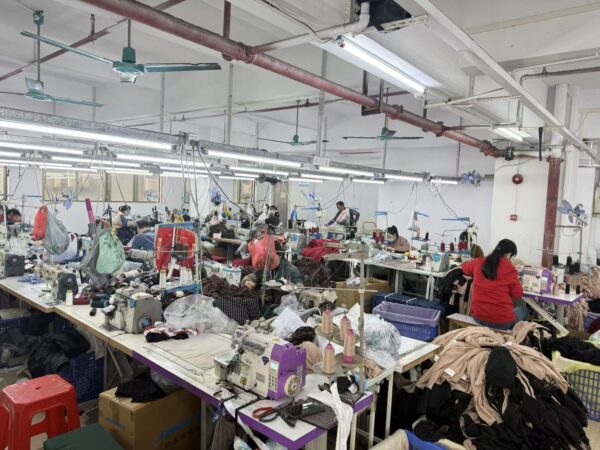
Specify the wearing arrangement and silhouette
Provide front, back and side drawings showing neckline, front opening, armholes, hem shape and length. State whether the vest will be worn alone or over another garment, and identify the intended underlayer for fit review. Show waist shaping, back adjustment tabs, lining and pocket details.
Clarify whether a pocket is functional, decorative or temporarily secured for presentation. A reference photograph may conceal these differences. Record the required construction before requesting a quote so suppliers do not price different versions of an apparently similar style.
Review front balance and fastening strain
Evaluate the closed garment on the intended fit reference. Check whether the front edges meet evenly, the hem hangs as intended and the neckline lies in the approved position. Observe pulling around buttons and gaping between fastenings during sitting and normal movement.
Give the sample team location-specific comments. A front that pulls may need a fit correction rather than a stronger button attachment. The women’s clothing fit-block guide helps establish the base fit; the vest sample should document its own layering and coverage expectations.
Check armholes, shoulders and coverage together
Review shoulder width, armhole shape and underarm coverage with the agreed underlayer. Raise and move the arms to assess restriction and unintended exposure. Avoid approving the armhole in isolation: changing the shoulder or neckline can also alter how the vest sits.
Define chest, waist, body length and armhole measurement positions using the garment points of measure guide. State whether measurements are taken fastened and how the garment is laid flat. Consistent conditions make comments from different sample rounds easier to interpret.
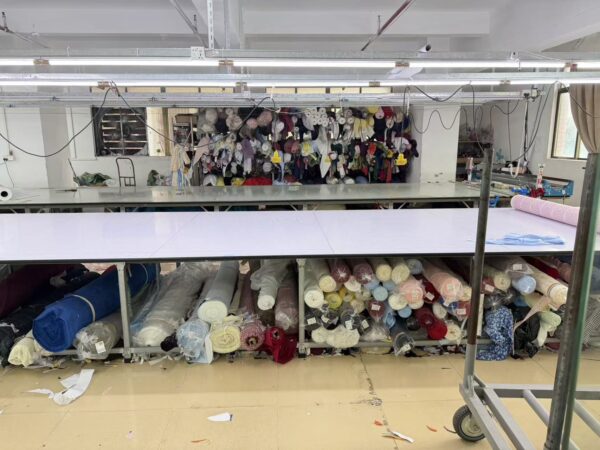
Approve shell, support and lining as a system
Confirm fabric composition, weight, finish and usable width, then review the proposed support layers and lining. A structured front, soft back and different lining can create a combination that needs complete-garment approval. Check the reverse as well as the visible face.
Assess drape, bulk around edges, lining movement and pressing appearance in the actual materials. Use the fabric sourcing guide to organize material references. Keep substitute-fabric samples identified until the intended shell and internal construction have been evaluated together.
Set workmanship checks for visible details
Inspect front-edge symmetry, buttonhole placement, pocket shape and the transition between facing and lining. Confirm how corners, pointed hems and openings are finished. Ask for an inside view of the sample so hidden joins and lining attachment can be approved before bulk sewing.
For a coordinated vest and trouser or skirt outfit, compare the pieces together for shade and proportion. Record the agreed result rather than assuming that identical fabric names establish a match. Include functional fastening checks and the agreed care assessment in the sample plan.
Confirm grading, cost and bulk release
Review representative sizes where the design and range justify them. Check that neckline depth, armholes, button positions and hem shape retain the intended proportions. Specify the sizes and quantities before asking for a final price, including any separate fit or length options.
Request quotation confirmation for lining, support, pockets, closures, labels, pressing and packing. Identify which sample rounds and material submissions are included. If a cost-saving change removes a pocket or alters the internal construction, approve the revised sample before accepting its price.
To discuss a woven vest project with Mugekoo, send drawings, the wearing arrangement, material preferences, size quantities and delivery window. Use the manufacturing RFQ checklist and ask the factory to confirm capability and the approval sequence. Release bulk only against the identified pattern, materials and accepted sample.