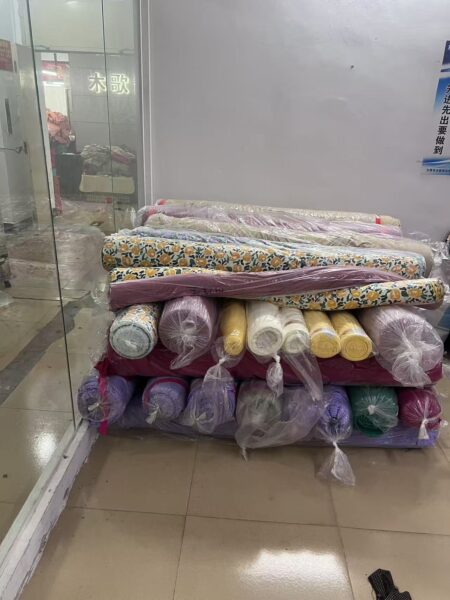
Woven blouse manufacturing connects material choice with upper-body fit, opening construction and visible finishing. For a private label women’s wear collection, a blouse can look simple in a product image yet require several separate approvals to reproduce its collar, cuffs, sleeve balance and front closure.
Brands, wholesalers and retailers should describe the product they intend to buy before comparing factory prices. A relaxed popover, a fitted button-front shirt and a soft gathered blouse have different operations and fit risks. The quote should follow the agreed design and production fabric rather than the broad word “blouse.”
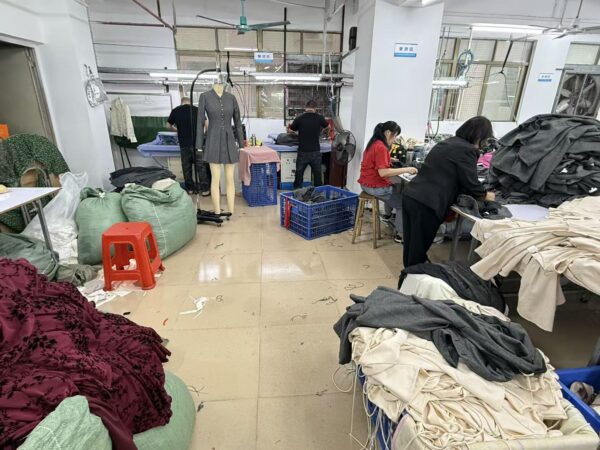
Start with the silhouette and intended wearing ease
Specify whether the blouse is fitted, relaxed, oversized or cropped, and identify the fit reference. Include garment measurements and the method for measuring chest, shoulder, sleeve, armhole and length. State whether customers should wear the blouse tucked in, loose or layered; those uses can affect the desired proportions.
Check seated posture, forward reaching and arm movement during fitting. A front opening that looks smooth on a mannequin may gap on the wearer. Review sleeve and back mobility alongside the chest measurement, and record comments using the agreed undergarment or base layer where relevant.
Select fabric for the actual construction
Approve composition, weight, opacity, hand feel, usable width and care requirements. A lightweight fabric may need a different edge finish or collar support from a firm shirting material. For white and pale colors, inspect visibility through the body and doubled areas under consistent lighting.
Give the factory a detailed fabric sourcing specification. If several materials are being compared, request comparable samples and identify which one supports the quotation. A lower fabric price does not establish a lower finished-blouse cost if cutting yield, handling or finishing changes.
Define collar, cuff and front-opening details
Provide close views of the collar shape, stand if used, cuff depth, sleeve opening and front placket. Specify button count and positions, buttonhole direction where important, visible stitch placement and whether the style has a separate or folded placket. Record pocket dimensions and placement relative to fixed garment points.
Support materials should preserve the intended appearance without making the collar or cuff uncomfortably stiff. The interlining and fusing checks are also relevant to supported blouse components. Confirm the actual fused trial after pressing and the agreed care evaluation rather than approving interlining by name alone.
Make the first sample answer defined questions
A useful sample request identifies what the buyer needs to decide: silhouette, base fit, fabric behavior, collar proportions or finishing. Record any substitute material and the features it cannot validate. Give one consolidated comment set with measurements and marked photographs so the next sample addresses clear requirements.
For a button-front style, review gaping, closure alignment and button access while worn. For a popover, check that the wearer can put the garment on and remove it comfortably. These checks should match the intended opening rather than relying only on a flat measurement pass.
Review size grading and sleeve balance
The smallest and largest sizes may reveal problems hidden in the base size: a tight upper arm, short cuff overlap, an opening that is difficult to use or a collar that sits differently. Confirm the size grading requirements before the full pattern set is released.
For long sleeves, check left and right length, cuff position and the finished armhole relationship. Where gathers, puff volume or elastic are part of the design, approve their appearance as well as their measurements. A numerical grade should preserve the intended silhouette, not merely enlarge the pattern.
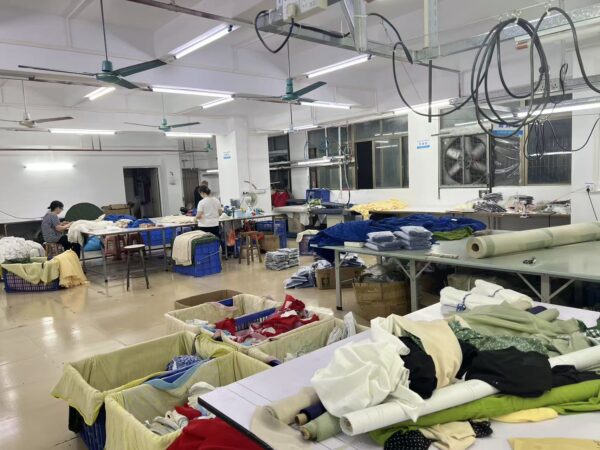
Compare quotes using the same buying brief
| Quotation input | Clarification for the manufacturer |
|---|---|
| Material | Approved reference, width, color and finish |
| Construction | Collar, cuffs, openings, pockets and visible stitching |
| Order mix | Quantities by style, color and size |
| Development | Sample stages, unresolved details and approval timing |
Use a consistent manufacturing RFQ to separate development charges, garment unit cost and packaging requirements. For a low-MOQ collection, ask how color and size splits affect material purchases and sewing setup. Do not assume one quoted minimum applies to every fabric and color combination.
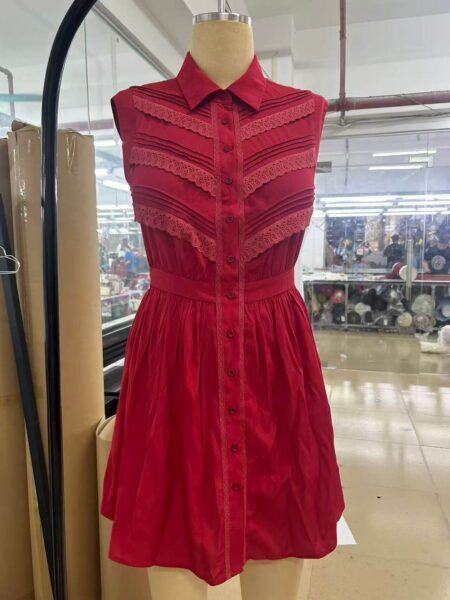
Approve the bulk reference and finishing
Before production, retain the released sample and specification version. Early output should be checked for collar symmetry, closure alignment, sleeve balance, pocket position and seam appearance. Confirm folding and packing on a finished blouse so visible creases or crushed components are identified before shipment.
To discuss woven blouse manufacturing with a women’s clothing manufacturer in China, send your tech pack and purchasing requirements to Mugekoo. Include sketches, target fit, fabric preferences and your order mix so the factory can review a concrete OEM or private label brief.