Payment terms are one of the most important parts of an OEM clothing manufacturing agreement. A quotation may look competitive, but unclear deposit rules, material commitments or shipment conditions can create unnecessary risk for both buyer and factory.
This guide explains how overseas brands, wholesalers and retailers can evaluate OEM clothing manufacturer payment terms and connect payments to clear production milestones.
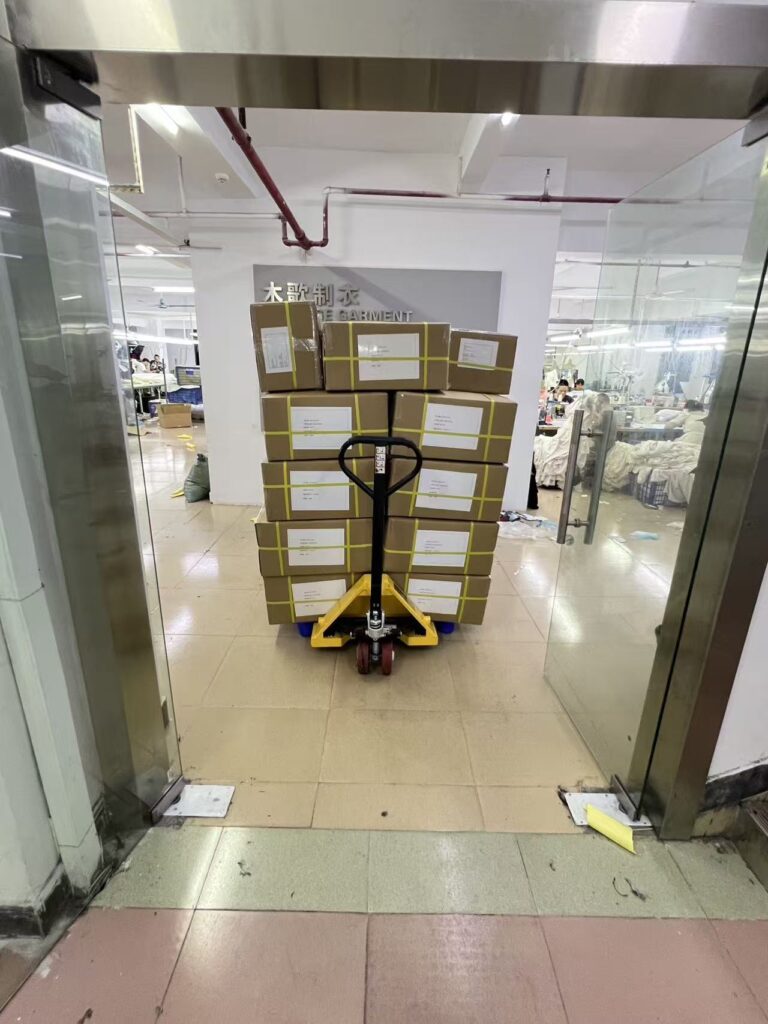
Why Payment Terms Differ Between Clothing Orders
Payment structure depends on fabric sourcing, trim commitments, order value, customization, production lead time and the relationship between buyer and manufacturer. Custom garments usually require the factory to commit money to materials and labor before shipment, so a deposit is common.
Before negotiating payment, understand how the supplier works. Our OEM clothing manufacturer in China guide covers the broader supplier-selection process.
1. Separate the Deposit From the Total Commercial Risk
A deposit is normally used to secure materials and production capacity. Buyers should ask exactly what the deposit enables the factory to purchase or reserve. If custom-dyed fabric, branded trims or special packaging are required, those commitments may become non-cancellable once ordered.
2. Link Payment Milestones to Verifiable Events
Useful milestones can include purchase-order confirmation, bulk fabric approval, pre-production sample approval, completion of sewing, final inspection and shipment release. Milestones should be defined in writing so both sides understand when payment becomes due.
Use a clear clothing manufacturer purchase order checklist before paying a deposit.
3. Confirm What Happens if Materials Change
Fabric substitutions, color changes or trim revisions can affect both cost and schedule. The purchase order should state how additional costs are approved and whether the factory can proceed without written buyer authorization.
4. Check Whether Capacity Is Reserved
Some deposits cover more than materials; they also reserve production time. Ask when your sewing slot is confirmed and what happens if approvals are delayed. Production planning is especially important before seasonal delivery windows.
Our article on clothing manufacturer production capacity explains how buyers can verify realistic lead times.
5. Keep Final Payment Connected to Quality Evidence
Before the final balance is released, buyers should know what quality evidence will be available. Depending on the order, this may include an internal QC report, measurement report, photos, video inspection or third-party final inspection.
For larger orders, define inspection standards before production rather than introducing them after garments are finished.
6. Do Not Treat Payment Terms as a Substitute for Supplier Qualification
Even favorable terms cannot compensate for weak production control. Buyers should verify factory identity, product specialization, sample capability, quality systems and communication before placing the order.
A structured garment factory audit checklist can help with this review.
7. Clarify Shipment Release Conditions
Agree on whether goods can be released after balance payment, inspection approval or receipt of shipping documents. For FOB orders, clarify responsibilities for booking, customs documents and handover to the forwarder.
8. Keep Change Approvals in Writing
When costs change because of fabric, packaging, labels or quantity adjustments, use written confirmation. Informal chat messages can be useful operationally, but the final commercial change should be recorded against the purchase order.
9. Evaluate Terms Over Several Orders
New buyer-factory relationships often begin with more conservative payment structures. As repeat orders become predictable and both sides build a performance record, terms may become easier to negotiate.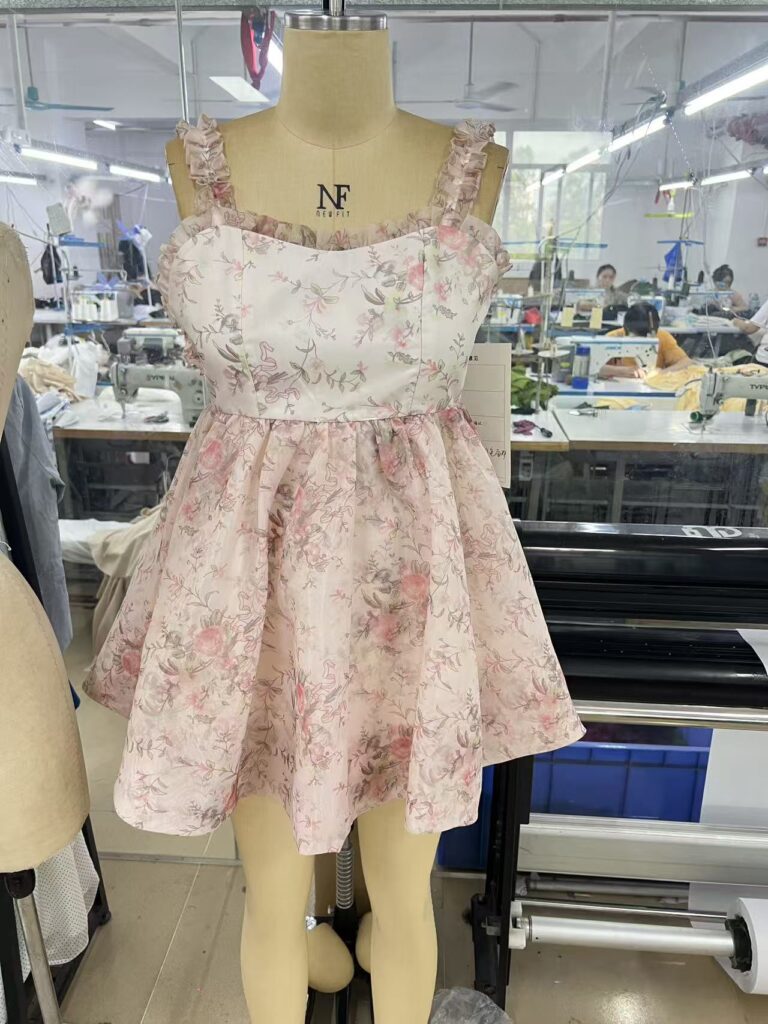
Buyer Checklist Before Paying an OEM Factory
- Purchase order matches the approved quotation
- Deposit percentage and due date are written
- Material commitments are clear
- Sample approval status is confirmed
- Production slot and target delivery date are documented
- Inspection standard is agreed
- Final payment and shipment-release conditions are defined
Conclusion
Good OEM clothing manufacturer payment terms should support production without leaving either side unclear about obligations. For buyers, the goal is not simply to minimize the deposit; it is to connect money, materials, capacity, quality approval and shipment to a transparent production plan.
For an OEM order, you can send your tech pack and quantity requirements for production review and quotation.