For a new private label women’s clothing order, MOQ is rarely just one number. Fabric minimums, dye-lot requirements, color quantities, trims and size assortment can all affect the final production plan.
This guide helps fashion brands, wholesalers and retailers understand how to plan private label women’s clothing MOQ by color and size without creating unnecessary inventory.
Start With the Difference Between Fabric MOQ and Garment MOQ
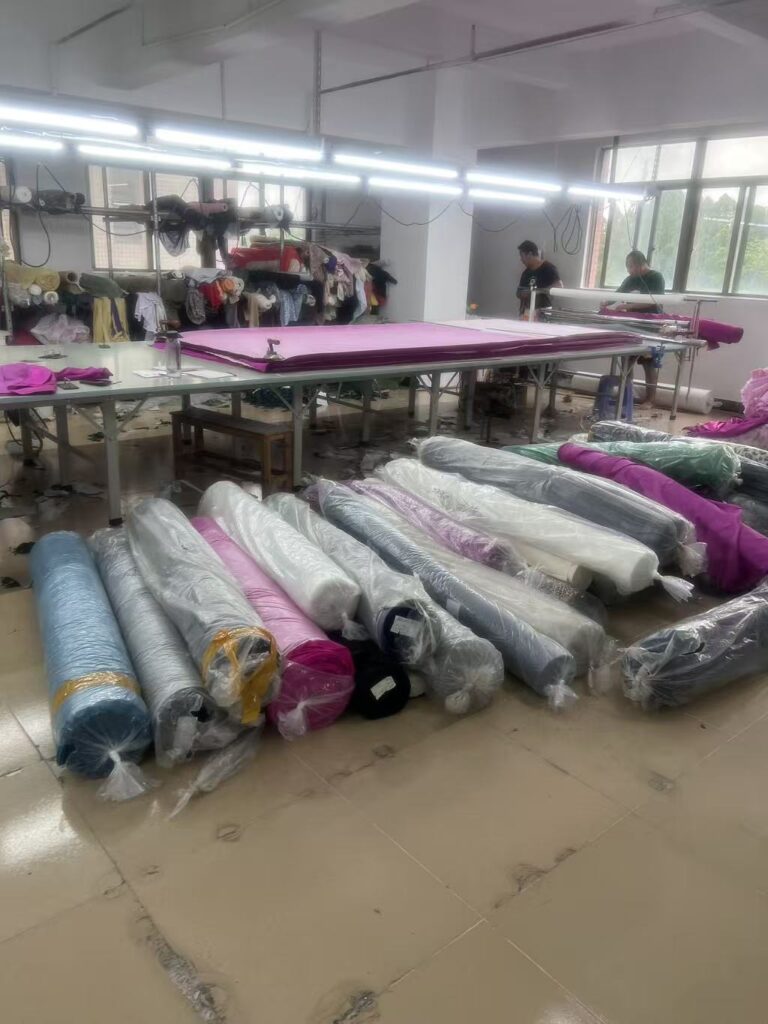
A factory may be able to sew 100 garments, but the fabric mill may require material for 300 or 500 pieces. This is why buyers should separate garment MOQ from fabric MOQ during sourcing.
If you are planning your first collection, our private label women’s clothing production guide explains the full workflow from concept to bulk order.
1. MOQ per Style
The style MOQ is the total number of garments produced in one design. More complex styles can require a higher minimum because pattern setup, cutting preparation, machine adjustments and specialized workmanship create fixed production costs.
2. MOQ per Color
Color often creates a second minimum. Custom dyeing requires a minimum fabric quantity per color, while stock fabric may allow smaller color splits. Buyers should ask whether different colors can share the same fabric base and whether leftover material can be used for repeat orders.
3. MOQ per Size
Factories usually do not require equal quantities in every size, but extreme size splits can make cutting and packing less efficient. A practical size ratio should reflect sales history, target market and retail channel.
4. Build the Assortment Around Commercial Demand
Instead of dividing quantities evenly, use expected sell-through. For example, a retailer may buy more S, M and L and fewer XS or XL. The right ratio reduces dead stock without creating production complexity.
5. Use Fabric Strategy to Lower Effective MOQ
Using one fabric across several styles can improve purchasing efficiency. Brands may develop a dress, skirt and blouse from the same base cloth, allowing the total material volume to meet mill minimums while keeping individual style quantities lower.
See our fabric sourcing guide for ways to manage stock fabric, custom fabric and repeat-order risk.
6. Understand What Customization Raises MOQ
Custom prints, special washes, branded hardware, custom elastic, jacquard labels and unusual colors can each add a supplier minimum. Buyers should identify these constraints before finalizing the collection.
7. Approve Samples Before Locking the Final Quantity
Do not finalize a large first order before fit, construction and material are approved. Sampling confirms whether the product is commercially ready and helps prevent scaling an unresolved problem.
Our clothing sample development process explains the approval sequence before bulk production.
8. Plan for Reorders From the Beginning
Ask whether fabric can be reordered, whether the same dye lot can be reproduced and whether trims have recurring minimums. A private label program should be designed for replenishment, not only the first delivery.
9. Compare MOQ With Total Landed Inventory Risk
A lower unit price is not automatically better if it requires too much inventory. Buyers should compare production price, minimum quantity, expected sell-through, storage cost and markdown risk.
Example MOQ Planning Framework
Suppose a buyer wants 300 pieces of a women’s blouse in three colors. If the fabric is stock-supported, 100 pieces per color may be workable. If the fabric requires custom dyeing, the mill minimum may force a different plan such as two colors now and one color in a later reorder.
The correct solution depends on material availability, not only sewing capacity.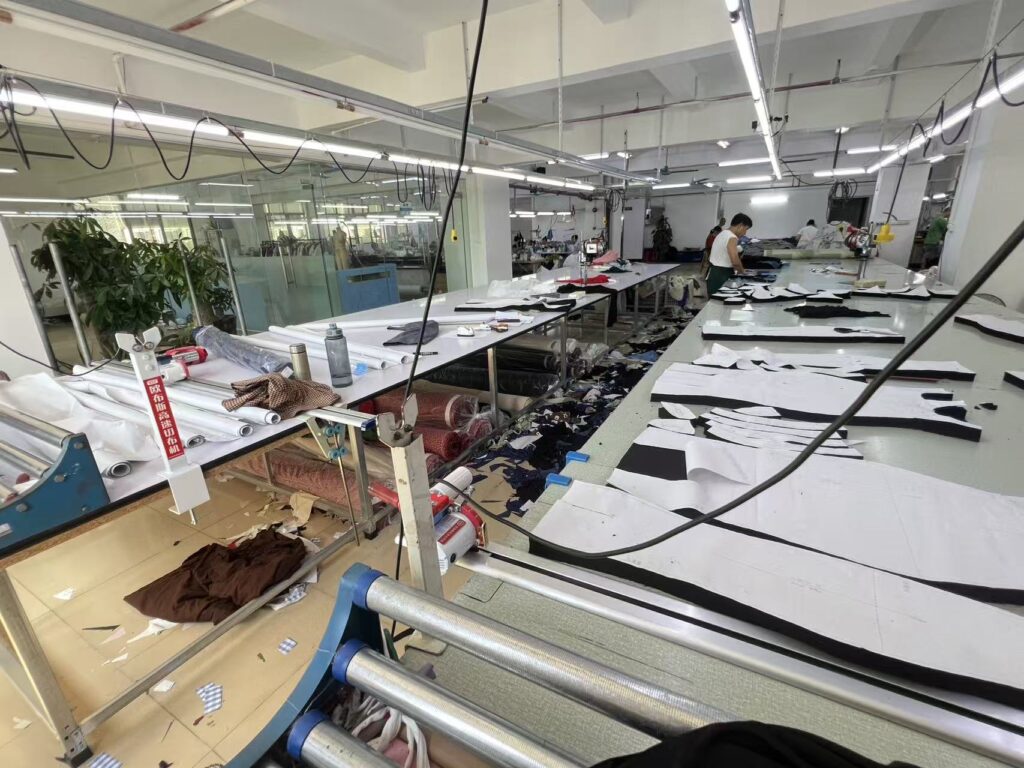
Questions to Ask a Private Label Women’s Clothing Manufacturer
- What is the garment MOQ per style?
- Is there a separate MOQ per color?
- Does the fabric supplier have its own minimum?
- Can one fabric be shared across multiple styles?
- Can sizes be mixed freely?
- What branded trims have separate minimums?
- Can leftover fabric be stored for reorders?
Conclusion
Private label women’s clothing MOQ should be planned as a system of style, color, size, fabric and trim requirements. Buyers who understand these layers can create smaller, more commercially useful first orders without forcing the factory into inefficient production.
To review your style count, color split and target quantities, contact the production team with your collection plan.