For fashion brands, wholesalers and retailers, choosing a private label women’s clothing manufacturer is not simply about finding a supplier that can sew garments. The right production partner must be able to translate a brand concept into repeatable products while controlling fabric, fit, trims, labeling, quality and delivery.
This guide explains the private label production workflow from the buyer’s perspective, with a focus on the decisions that reduce sampling delays, prevent quality problems and make small-to-medium production runs easier to scale.
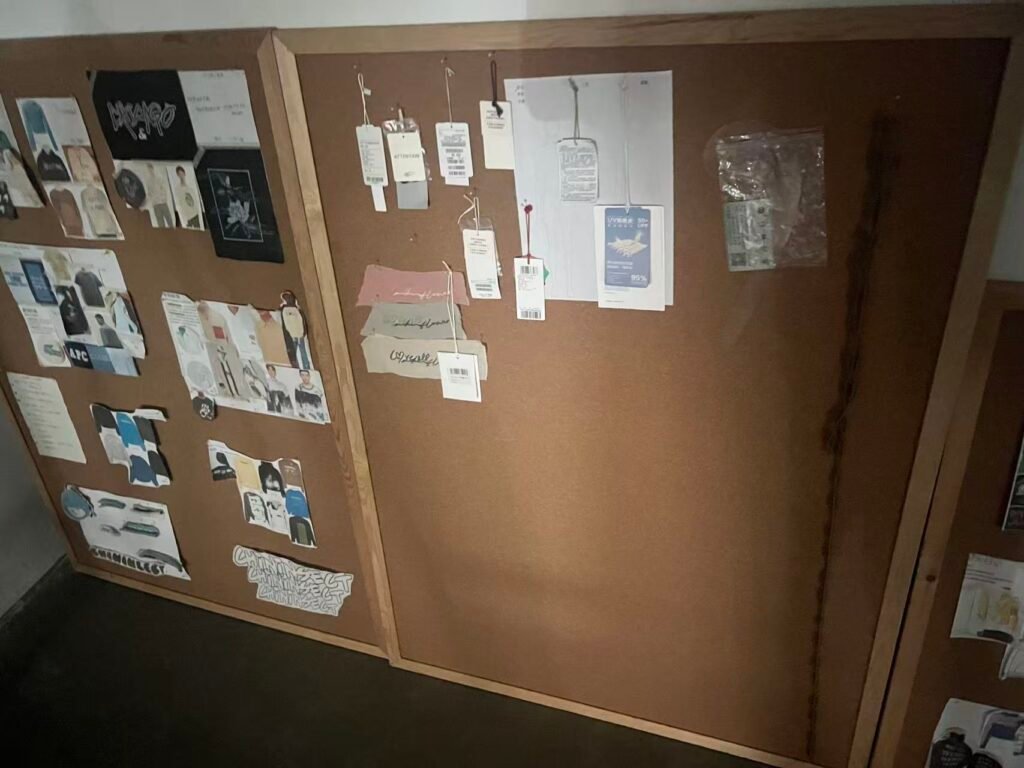
What Does a Private Label Women’s Clothing Manufacturer Do?
A private label manufacturer produces garments that are sold under the buyer’s own brand. Depending on the project, the service can include pattern development, fabric sourcing, sample making, grading, custom labels, packaging, bulk sewing and final inspection.
This differs from buying ready-made wholesale stock. Private label production gives the buyer more control over silhouette, measurements, material, colors, trims and branding. Brands that need deeper product customization may also compare this model with OEM and ODM clothing manufacturing before selecting a development route.
1. Start With a Clear Product Brief
Before requesting a quotation, prepare the information the manufacturer needs to evaluate the style. A useful brief includes reference images or sketches, target measurements, fabric preference, colorways, trims, label requirements, expected order quantity and target delivery date.
A detailed tech pack is especially valuable for fitted dresses, blouses, skirts and other women’s styles where small measurement changes affect appearance. Buyers who are still preparing specifications can use this clothing tech pack guide as a checklist.
2. Match Fabric Sourcing to the Target Product
Fabric should be selected for the intended garment rather than only for price. Weight, stretch, drape, opacity, shrinkage, hand feel and color consistency can all influence the finished result. For example, a fluid dress and a structured jacket may require very different sourcing and testing priorities even when both use woven fabric.
When comparing quotations, confirm whether the quoted fabric is stock-supported or requires a custom minimum. This is important for low-volume private label orders because fabric MOQ can become the real production constraint. See the fabric sourcing guide for clothing brands for a deeper breakdown.
3. Use Sampling to Confirm Fit, Construction and Brand Details
Sampling is where a design becomes a production standard. Review more than the overall look. Check measurements, balance, seam construction, zipper or button performance, lining, print placement, fabric behavior and finishing.
Brand elements should also be confirmed during development: main label, size label, care label, hangtag, packaging and any custom trim. If the first sample needs corrections, document every revision rather than relying on informal messages. The clothing sample development process explains how to manage revisions before bulk production.
4. Understand MOQ at Style, Color and Fabric Level
“Low MOQ” can mean different things. A manufacturer may accept a relatively small total order but still require minimum quantities per color, size ratio or fabric lot. Ask how the MOQ is calculated before approving development.
For a new brand, fewer styles with better size and color planning can be more efficient than spreading the same budget across too many SKUs. This also makes quality control and replenishment easier.
5. Approve a Pre-Production Standard
Before bulk cutting, the buyer and manufacturer should agree on the final approved version. The pre-production sample should represent the intended fabric, measurements, workmanship, trims and branding as closely as possible.
This step reduces ambiguity between development and production. A structured pre-production sample approval process gives both sides a clear reference when bulk goods are inspected.
6. Build Quality Control Into Production
Quality control should not begin only when the order is finished. Fabric inspection, cutting checks, in-line sewing checks, measurement verification and final inspection catch different types of risk.
For women’s garments, common checkpoints include symmetry, seam puckering, neckline shape, zipper installation, hem level, print matching, loose threads, measurement tolerance and appearance after pressing. The exact checklist should follow the approved style and the buyer’s quality standard.
7. Evaluate the Manufacturer as a Long-Term Production Partner
A useful supplier evaluation goes beyond the lowest unit price. Consider communication speed, sampling accuracy, sourcing capability, production transparency, problem-solving, quality consistency and realistic lead-time control.
For overseas buyers, the best working relationship is one in which specifications and responsibilities are documented clearly. This makes repeat orders easier and reduces the cost of correcting preventable mistakes.
Questions to Ask Before Placing a Private Label Order
- What product categories does the manufacturer regularly produce?
- Can it source the required fabric and trims at the planned quantity?
- What are the MOQ rules by style and color?
- How many sampling rounds are normally required?
- Can custom woven labels, care labels, hangtags and packaging be handled?
- What inspections are performed during and after production?
- What information is required before a reliable quotation and lead time can be confirmed?
Final Takeaway
A capable private label women’s clothing manufacturer should help a buyer move from specification to sample and from approved sample to consistent bulk production. The strongest sourcing decisions come from evaluating the complete workflow—development, fabric, MOQ, branding, quality and delivery—rather than comparing unit prices alone.
Mugekoo works with overseas apparel buyers on women’s clothing development and production. Buyers can use the site’s manufacturing resources to prepare clearer specifications before requesting a project quotation.