Sampling is where an apparel idea becomes a production specification. For brands working with an OEM clothing manufacturer, a disciplined approval workflow can prevent fit errors, fabric substitutions, construction misunderstandings and costly corrections after bulk cutting begins.
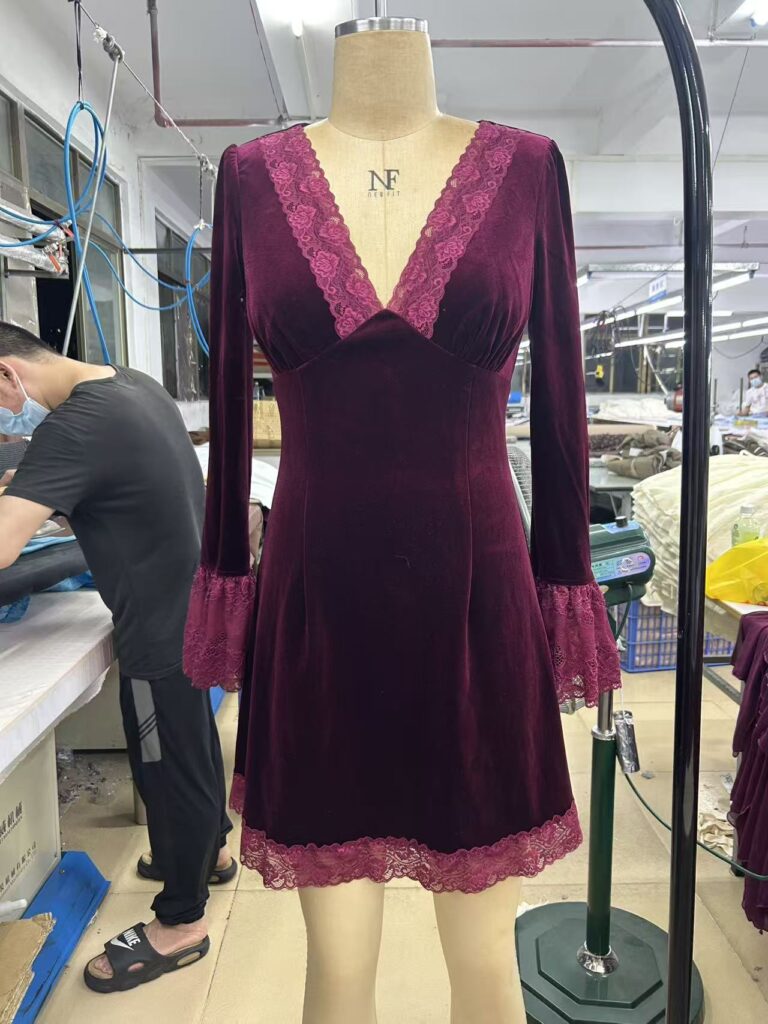
What OEM sampling should accomplish
An OEM factory manufactures from the buyer’s design and specifications. That means the brand must convert creative intent into measurable instructions. Sampling is used to confirm silhouette, measurements, construction, fabric, trims, finishing and workmanship before the order becomes repetitive bulk production.
If the product specification is still incomplete, start with our clothing tech pack guide. Clear documentation reduces interpretation and gives both buyer and manufacturer a shared reference.
Stage 1: Development sample
The development sample tests the initial design. At this stage, buyers should focus on proportion, construction feasibility and whether the selected material behaves as intended. Comments should be specific and measurable. Instead of writing ‘make it looser,’ identify the measurement point, current measurement and requested change.
Stage 2: Fit sample and measurement review
Fit approval should use a consistent base size and an agreed measurement chart. Review garment balance, ease, neckline position, armhole shape, sleeve movement, rise, length and other product-specific points. Record every accepted revision in the latest tech pack version so old comments do not return in later samples.
Our detailed sample development process explains how brands can organize revisions before bulk production.
Stage 3: Fabric and trim approval
A sample made in substitute fabric may be useful for checking construction, but it should not automatically become the standard for bulk. Fabric weight, stretch, shrinkage, drape and surface appearance can change fit and sewing behavior. Buyers should identify whether the sample uses actual bulk material and approve swatches, colors and trims separately when necessary.
For sourcing decisions, see our fabric sourcing guide.
Stage 4: Pre-production sample
The pre-production sample is a critical control point because it should represent the approved product as closely as possible before bulk manufacturing. Confirm measurements, fabric, trims, labels, stitching, placement details, finishing and packing requirements. Any approved exception should be documented rather than left in chat history.
Use this pre-production sample approval guide as a practical reference.
How buyers should write sample comments
- Use one consolidated comment sheet per revision.
- Reference numbered measurement points and construction locations.
- Include photos or diagrams when visual placement matters.
- Separate mandatory corrections from optional preferences.
- Update the tech pack revision number after decisions are approved.
- Keep an approved physical or clearly documented reference sample.
Sampling and costing are connected
Design changes can alter material consumption, sewing time, trim usage and production methods. If a sample revision adds lining, changes fabric, introduces special stitching or changes construction, the quotation may need to be updated before the purchase order is confirmed. Buyers should therefore finalize commercially important details before treating the unit price as fixed.
Sampling for private label and custom women’s clothing
Private label projects can range from relatively standardized products with custom branding to fully developed custom styles. The more design variables a project introduces, the more important structured sample approval becomes. Brands comparing OEM, ODM and private label services can read our OEM vs ODM clothing manufacturing guide to choose the right development model.
Do not skip quality standards after sample approval
An approved sample is a reference, but bulk production also needs inspection criteria. Establish measurement tolerances, defect expectations and packing requirements before shipment. A documented garment quality control checklist helps turn sample approval into repeatable production control.
A practical buyer sign-off checklist
Before authorizing bulk production, confirm that the latest tech pack, measurement chart, approved fabric and color, trims, labels, artwork, packing method, quantities and size breakdown all match the final quotation and purchase order. If one item remains open, mark it clearly rather than assuming it will be resolved during production.
Mugekoo works with overseas fashion brands, wholesalers and retailers on custom women’s apparel development and production. The brand name supports identification; the procurement value lies in a clear process that helps buyers move from specification to approved sample and controlled bulk production.
Buyer takeaway: Treat sampling as a sequence of commercial and technical approvals. A reliable OEM women’s clothing workflow should reduce ambiguity before bulk production, not simply produce a prototype that looks close to the design.