A clothing production pilot run is a controlled, limited batch made before a brand commits to larger-scale manufacturing. It sits between sample approval and full commercial volume, allowing buyers and factories to test repeatability, real production time, material behavior and customer response.
A pilot run is not necessary for every order. However, it can reduce risk for new brands, technically demanding women’s styles, new materials or products entering an unfamiliar market.
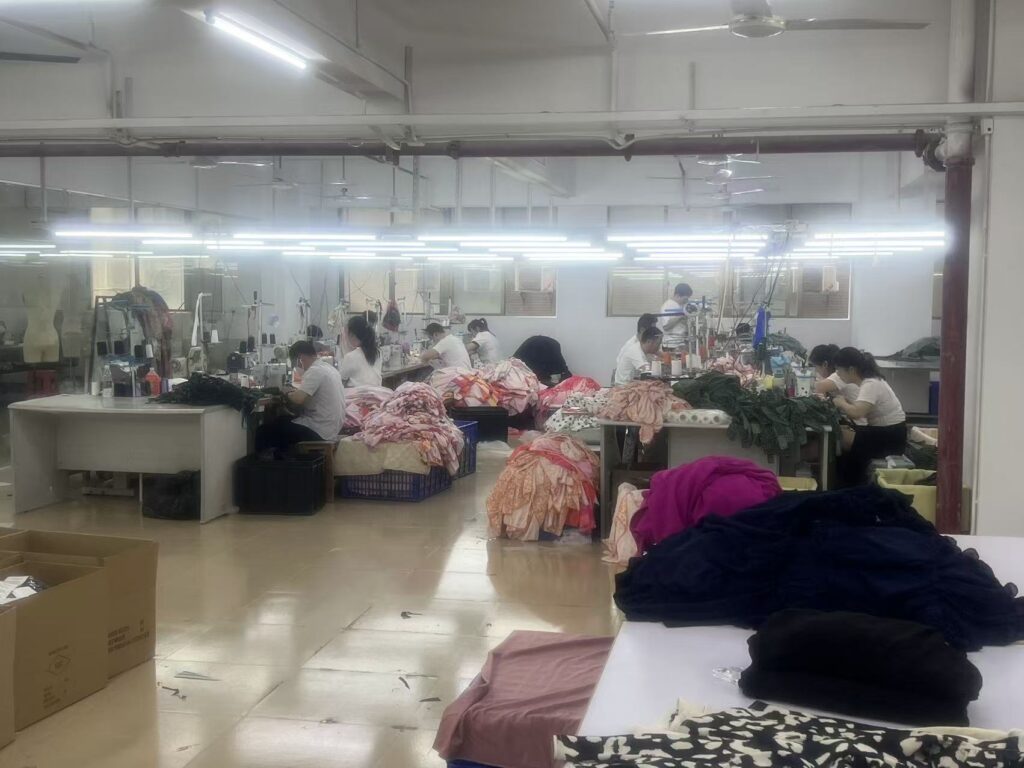
Pilot run vs ordinary low-MOQ order
A low-MOQ order describes quantity. A pilot run describes purpose: it is planned to generate evidence before scaling. The buyer should define what must be learned, which measurements will be reviewed and what result justifies a larger order.
For collection-level quantity planning, see the custom women’s clothing small-batch guide.
When a pilot run makes sense
- a new brand has limited sales history;
- the style uses unfamiliar fabric or construction;
- fit risk is high across several sizes;
- the product has custom washing, printing or embellishment;
- the factory is producing the category for the first time;
- the brand wants wear-test or retail feedback before scaling;
- the commercial order is large enough that early validation has value.
1. Define the question the pilot must answer
A pilot should not be “make a few and see.” Define measurable objectives. Examples include verifying sewing output, checking shrinkage consistency, validating a size range, testing packaging durability or measuring customer returns.
List acceptance criteria before production so the decision is based on evidence rather than impressions.
2. Use production-intent materials
The pilot should use the planned bulk fabric, trims, labels and construction whenever possible. If substitutes are unavoidable, record which conclusions remain untested.
Material minimums may exceed the pilot quantity. Ask who owns unused fabric and whether it can be reserved for the scale order.
3. Freeze the technical package
Approve the pattern, measurement chart, bill of materials, construction notes, artwork and packaging before the pilot starts. If the design changes during the run, separate those changes from production defects.
A clear women’s clothing manufacturing RFQ helps the factory quote pilot and scale quantities using the same technical assumptions.
4. Choose representative sizes and colors
Do not use only the easiest base size if the main risk is grading. Include sizes that expose fit or construction challenges. When colors use different fabric lots or processes, include the highest-risk options rather than duplicating equivalent combinations.
5. Produce through normal factory controls
A pilot should pass through ordinary material inspection, cutting, sewing, inline QC, finishing and packing. A handful of pieces made entirely by the sample room may prove craftsmanship but not line repeatability.
Ask which production resources will be used for the later order and whether the pilot accurately represents them.
6. Record actual production performance
Useful data includes:
- fabric consumption and cutting loss;
- minutes or output per operation;
- rework and defect causes;
- measurement pass rate;
- material shortages or substitutions;
- packing time and carton volume;
- actual lead time by stage.
This information helps revise the commercial price and schedule for scaling.
7. Inspect more deeply than a routine order
The pilot quantity is small enough to support intensive inspection. Measure all pieces at critical points when practical, review workmanship and trace recurring defects to their source.
Use the garment quality control checklist as a base, then add style-specific risks.
8. Conduct wear, wash or retail tests
Depending on the product, test laundering, color transfer, pilling, seam strength, closure function and real-world comfort. Keep the care method consistent with the label instruction.
Retail pilots can also reveal size demand, return reasons and packaging problems. Treat a small sales result cautiously; the goal is directional learning, not perfect forecasting.
9. Set the scaling decision
Define three possible outcomes:
- approve: proceed with the larger order using the locked standard;
- correct and verify: change a controlled item and make a confirmation sample or limited rerun;
- stop: redesign or cancel because the product is not commercially workable.
Document every approved correction before issuing the scale purchase order.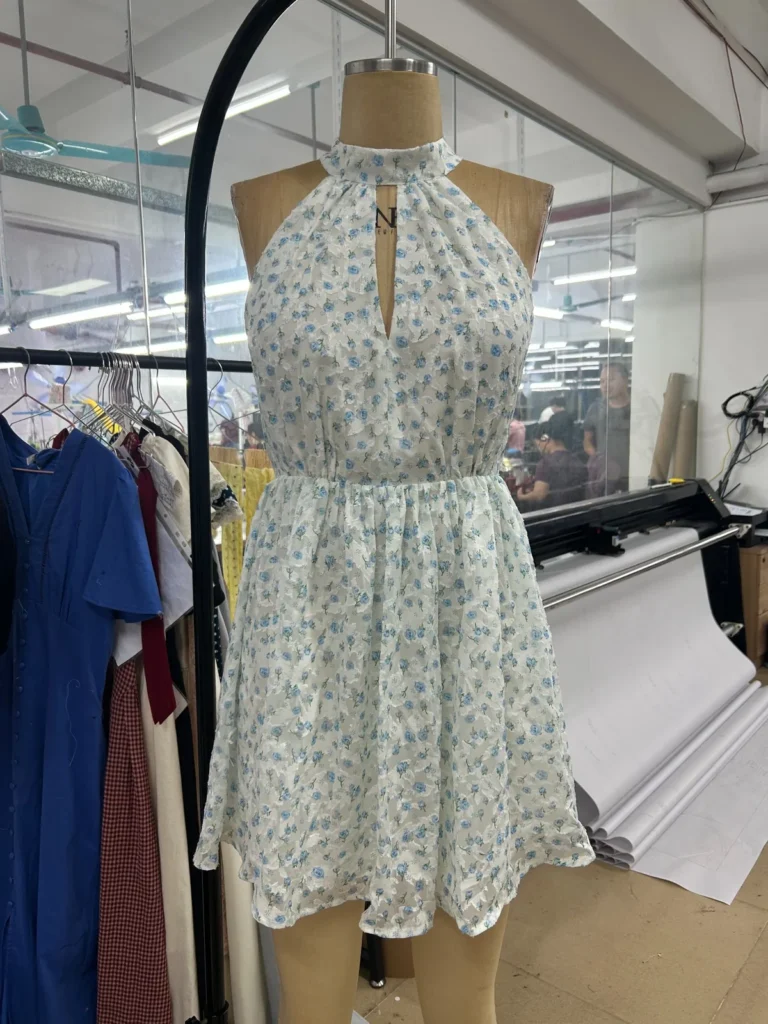
10. Reserve capacity without assuming automatic scale-up
A successful pilot does not guarantee that the same line is available later. Discuss the target scale quantity and provisional calendar early. The clothing manufacturer capacity guide explains how to verify line allocation and material lead times.
Pilot-run review table
| Area | Scale decision evidence |
|---|---|
| Materials | Approved identity, consumption and performance |
| Fit | Measurements, size coverage and wear feedback |
| Workmanship | Defect and rework results |
| Efficiency | Actual output and cost assumptions |
| Packaging | Labels, protection and carton volume |
| Market | Returns, size demand and buyer feedback |
Final takeaway
A clothing production pilot run is valuable when it answers defined technical or commercial questions. Brands should use production-intent materials, normal factory controls and measurable acceptance criteria so the pilot produces a reliable scaling decision.
Buyers considering a women’s clothing pilot run can contact the factory team with the tech pack, test objectives, pilot quantity and expected scale order.