Private label clothing order quantity control tracks units from the confirmed purchase order through cutting, sewing, inspection, packing and shipment. Buyers need more than a final carton total: they need to know why quantities changed and whether shortages, overages or substitutions were approved. A simple reconciliation process reduces warehouse discrepancies and unexpected invoice differences.
Begin with one confirmed order breakdown
The purchase order should state quantity by style, color and size, together with any permitted shipment tolerance. It should also define whether the tolerance applies to each SKU, each style or the total order. The clothing purchase-order checklist helps buyers confirm the commercial and production details before paying a deposit.
Production teams should not work from an email summary that conflicts with the final PO. One controlled order sheet should feed material booking, cutting ratios, labels, packing and invoicing.
Plan quantity before cutting
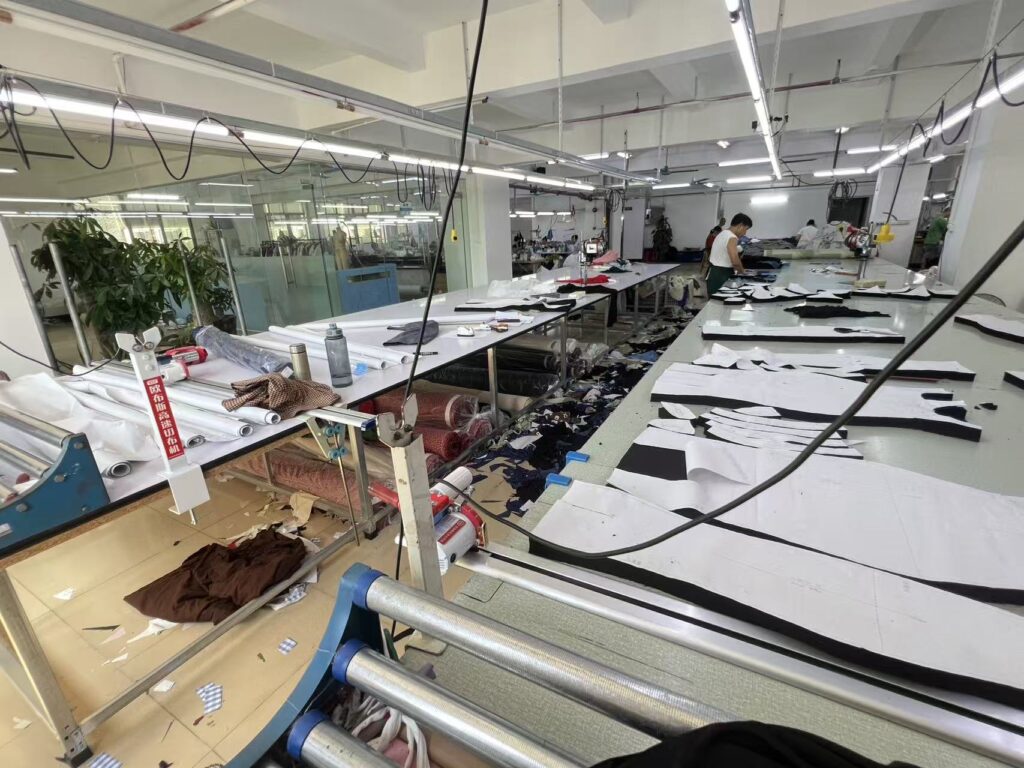
The factory calculates the required cut quantity using ordered units, expected process loss and any approved overcut. An overcut may cover fabric defects, sewing damage, failed inspection or replacement samples, but it should not be arbitrary. Too little can create shipment shortages; too much can create unauthorized surplus carrying the buyer’s branding.
Fabric availability also limits the plan. The fabric consumption calculation should use the final size ratio and actual usable width before the cutting quantity is released.
Track cut quantities by SKU
Cutting records should show planned and actual pieces by style, color and size. Bundle tickets maintain those identities through sewing. Recut panels need separate records because they consume additional fabric without creating additional finished units.
- Ordered quantity
- Planned cut quantity
- Actual good cut pieces
- Rejected panels and recuts
- Bundles issued to sewing
- Work in progress
- Finished and accepted units
Reconcile sewing and finishing output
Daily production counts should distinguish pieces completed from pieces awaiting repair. A garment is not shipment-ready merely because it reached the end of the sewing line. Finishing, measurement, pressing, labeling and final inspection may still identify defects.
Rejected units should be classified as repairable, recut or unusable. Recording the disposition prevents the same item from being counted twice when it leaves sewing, enters repair and later returns to finishing.
Protect the approved size and color ratio
A factory may achieve the total order quantity while still shipping the wrong size ratio. Buyers should therefore review quantity by SKU, not only by style. This matters especially for retailers with store allocations or e-commerce inventory planned around specific sizes.
Any proposal to replace a shortage in one size with overage in another requires buyer approval. The change can affect sales, warehouse receiving and barcode data.
Connect final inspection with the shipment quantity
The inspection lot should match the units actually presented as finished. If goods are added after inspection, the report no longer represents the complete shipment. The OEM clothing AQL inspection guide explains why lot size and sampling records must be accurate.
After defects are corrected, the factory should update the accepted quantity and identify any remaining shortage before packing documents are finalized.
Verify packing and carton totals
The packing list should reconcile with physical carton contents and the accepted garment count. Carton numbers, size/color assortment, units per carton and total units should be checked before loading. Barcode or retailer labels must correspond to the SKU inside.
The pre-shipment document guide describes how packing lists, invoices, inspection records and shipment details should agree.
Handle shortages and overages commercially
If the final quantity differs from the PO, the factory should state the reason, affected SKUs and financial impact. The buyer can then approve a partial shipment, balance shipment, quantity tolerance or invoice adjustment. Silent changes create disputes after the cartons reach the warehouse.
Quantity reconciliation table
A practical final report can contain one row per SKU and the following columns:
- PO quantity
- Cut quantity
- Finished quantity
- Rejected or unrecoverable quantity
- Accepted and packed quantity
- Difference from PO
- Buyer-approved disposition
Control units, not only totals
Private label clothing order quantity control gives buyers visibility before the balance payment and cargo release. The system should reconcile every style, color and size from PO through packing, while documenting loss and approved deviations. Brands preparing an order can send their size ratio and packing requirements for a quantity-control review.