Women’s clothing manufacturer sample room capability determines how effectively a supplier can turn a sketch, reference garment or tech pack into a production-ready style. For overseas brands, the sample room is not only where prototypes are sewn. It is where pattern accuracy, fit comments, construction risks, materials and production instructions are resolved before bulk orders begin.
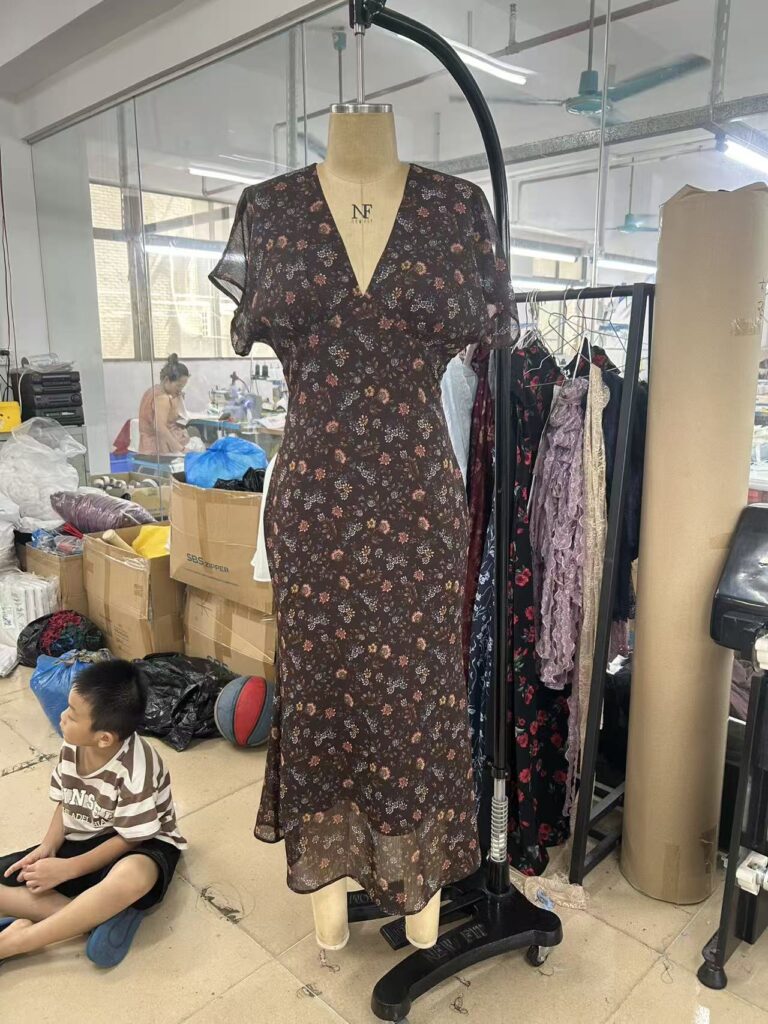
Why the sample room matters to buyers
A strong production floor cannot compensate for an unresolved sample. If measurements, seam methods, trim placement or fabric behavior remain unclear, the sewing line receives unstable instructions. A capable sample room identifies those issues early and records the approved solution for production.
The broader clothing sample development process may include a prototype, fit sample, size set, pre-production sample and top-of-production sample. The exact sequence varies by product and buyer risk, but every stage should have a defined purpose.
Pattern-making capability
Buyers should understand whether patterns are created in-house, which digital system is used and how revisions are controlled. An experienced pattern technician should interpret design intent while considering balance, movement, seam allowance, fabric behavior and sewing feasibility.
For brands with an established fit, the supplier should work from the approved women’s clothing fit block rather than defaulting to a generic house block. Pattern filenames and printouts should carry a style number, size, version and date so obsolete pieces do not return to production.
Sample machinist experience
Sample machinists often sew a wider range of operations than production-line operators. They need to test construction methods, identify difficult areas and communicate practical risks. For woven dresses, these may include concealed zippers, curved hems, gathered seams, lining attachment, narrow straps and lightweight fabrics that pucker easily.
A good sample is not necessarily made with slow, impractical methods. The sample room should develop a construction that can be repeated reliably in bulk at the agreed quality and price.
What buyers should look for in fitting and comments
- A consistent measurement method and fit model
- Before-and-after measurement records
- Clear photographs showing each requested correction
- Numbered comments linked to pattern or garment locations
- A revision history rather than disconnected messages
- Confirmation of which changes require a new sample
The supplier should distinguish objective measurements from aesthetic fit decisions. A measurement chart may be within tolerance while the neckline, sleeve balance or waist position still needs visual adjustment.
Material and trim coordination
A sample room should state whether a sample uses actual bulk material or a substitute. Substitute fabric can test basic construction but may not prove final drape, shrinkage, opacity or seam behavior. The bill of materials in the clothing tech pack should show what is approved and what remains pending.
When custom trims are not available for the first prototype, temporary components should be labeled clearly. Final approval should cover the correct zipper, elastic, buttons, labels and decorative details before bulk production.
Sample lead time and development capacity
Buyers should ask how many pattern makers and sample machinists support the factory, how many styles can be developed at one time and which stages create the longest wait. A very fast promise is not useful if samples arrive without measurement checks or ignore comments.
Development capacity should also match the planned collection. A brand launching twelve styles needs a different schedule from a buyer developing one repeat dress. Priorities, submission dates and comment deadlines should be agreed before the sample room becomes overloaded.
How sample information reaches bulk production
The approved garment must be translated into controlled production documents. These can include the final pattern, measurement chart, bill of materials, operation instructions, trim card, construction photos and inspection points. The pre-production sample should be traceable to the exact versions released to cutting and sewing.
- Review design information and identify missing details.
- Create the pattern and first sample.
- Measure, fit and record corrections.
- Revise construction and materials where necessary.
- Approve the final sample and documents.
- Transfer one controlled package to production and QC.
Questions to ask during supplier evaluation
- Are pattern development and grading completed in-house?
- Who reviews sample measurements before shipment?
- How are comments, patterns and sample versions controlled?
- Can the sample room work with actual production fabric?
- How are difficult operations tested for bulk repeatability?
- What happens when a sample fails fit or construction review?

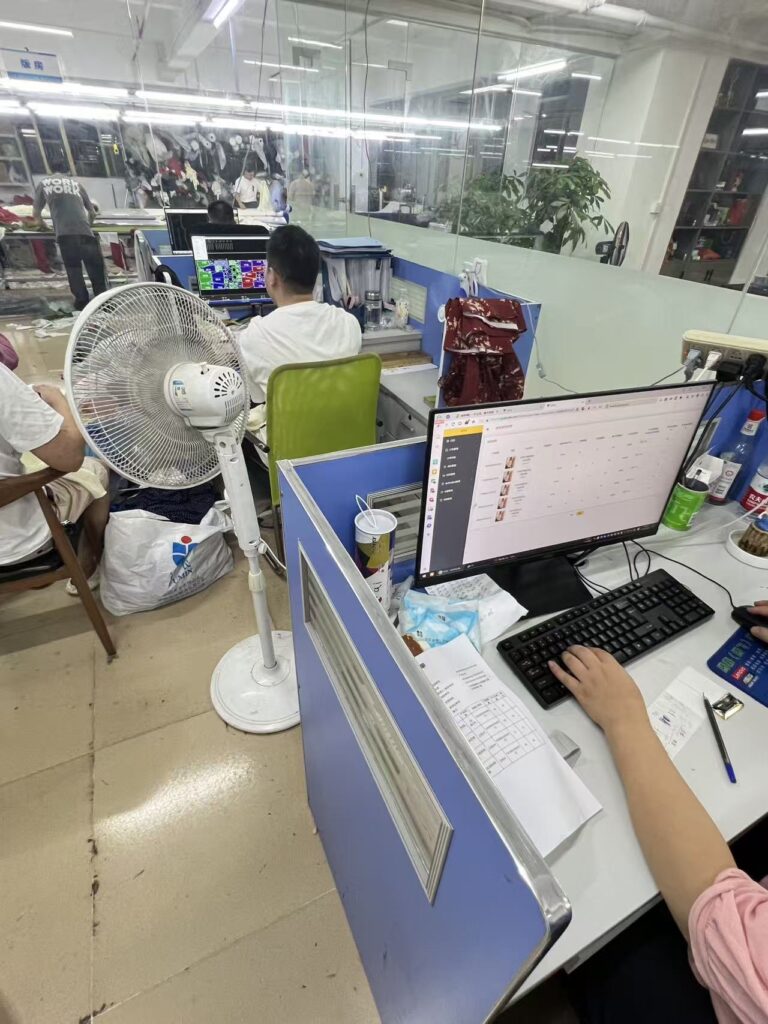
Evaluate the process, not only the sample appearance
Women’s clothing manufacturer sample room capability is visible in the records, decisions and handover behind the garment. Buyers should assess pattern control, fit communication, material coordination and production transfer—not only whether one sample looks attractive. Brands preparing a new collection can send their tech pack, measurement chart and development schedule for a sample-room feasibility review.