A women’s clothing manufacturer cutting room checklist helps brands control one of the least visible but most consequential stages of bulk production. Once fabric is cut, correcting a wrong panel, shade mix-up or marker decision can consume time, material and delivery margin. Buyers do not need to manage the cutting room themselves, but they should agree what the factory checks before the first lay is cut.
For women’s wear, the cutting room affects more than yield. Directional prints, soft woven fabrics, bias panels, nap, stretch and delicate surfaces all make a cut plan a quality decision. Use this checklist to turn approved fabric and an approved sample into controlled cut components for sewing.
1. Release fabric only after inspection and shade review
The cutting room should work from released fabric, not simply the rolls that arrived first. Confirm the factory has linked roll numbers, color lots and inspection results to the production order. A practical starting point is a documented fabric inspection before cutting, especially for woven styles where streaks, holes, weave defects or shade variation may show across a wide panel.
Ask the factory to identify whether a style must be cut by dye lot, whether the fabric has a face and direction, and whether a printed, brushed or velvet-like surface needs one-way cutting. These decisions should appear on the cut ticket or marker instructions, not remain only in a chat message.
2. Check the marker and lay plan against the approved specification
The marker determines how pattern pieces are arranged before cutting. It should use the current approved pattern, size range and quantities. Buyers should check that panels which must match—such as stripes, plaid, front plackets or visible pockets—have allowance in the marker and are not treated as ordinary pieces for maximum yield.
For a commercial review, request the planned fabric use by color and size, then compare it with the assumptions in the fabric consumption estimate. A small variance can be normal; an unexplained variance can indicate a changed width, a mismatched pattern version or an inefficient marker.
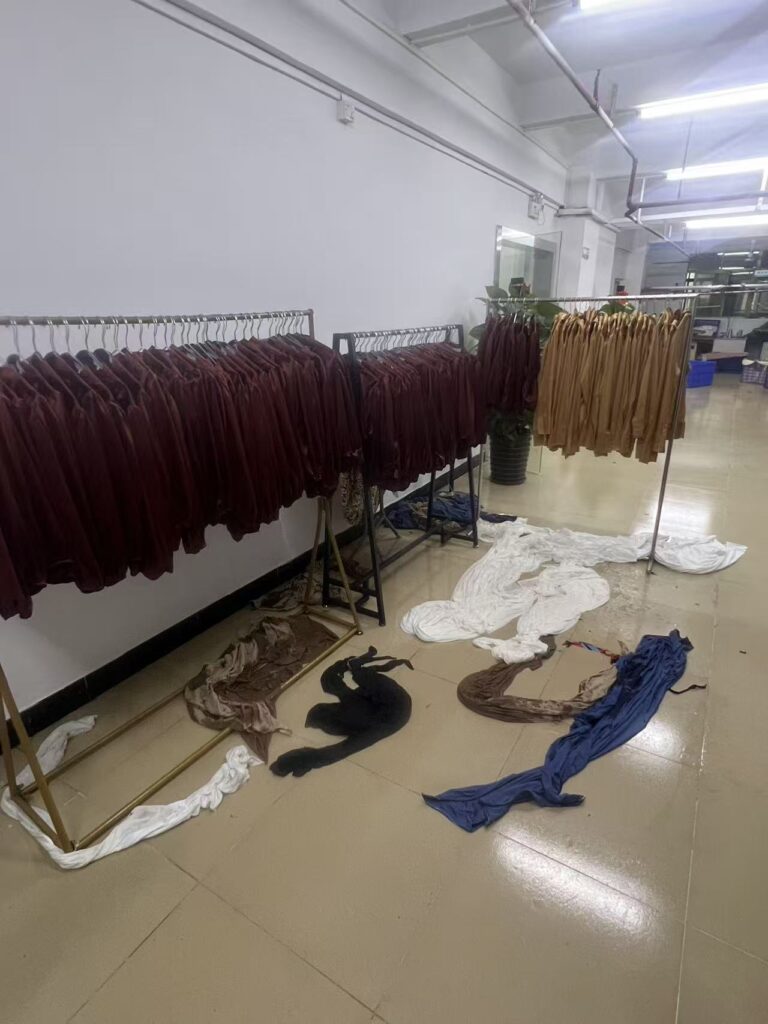
3. Confirm cut tickets, bundle IDs and component control
Each lay needs a clear record: style, color, size, fabric lot, lay length, ply count, marker version and cutting date. After cutting, components should move as identified bundles rather than loose stacks. This makes it easier to trace a sewing issue back to a specific lot or cut batch.
That link between fabric, components and finished goods supports the material traceability process. It is particularly useful when a buyer later sees a repeating defect in only one size, color or production day.
4. Approve a first cut before the full order proceeds
A first-cut check is a short hold point, not a second sampling round. The factory should compare key panels to the approved pattern, confirm notch positions, check cut edges on difficult fabrics and verify that any matching requirement can be achieved. For a fitted woven dress, for example, a small error at a dart, waist seam or neckline can become a visible fit problem after assembly.
If changes are necessary, record the reason, owner and affected quantities before more fabric is cut. A controlled change-control process after approval keeps outdated instructions from being used on the next lay.
5. What buyers should receive from the cutting room
You do not need every internal worksheet, but request the documents that let you make a confident release decision: fabric lot and inspection status, marker or lay summary, cut quantity by size and color, first-cut approval notes, and a record of any shortage or replacement fabric. These items connect naturally to the broader production calendar and make later progress updates easier to interpret.
A clear women’s clothing manufacturer cutting room checklist reduces surprises before sewing starts. If you are preparing a new women’s wear program, share the style details and expected size run through the contact page so the production team can define the right pre-cut approvals.