OEM clothing manufacturer shade band approval is a critical fabric-control step when bulk material shows small color differences between rolls, dye lots or sections of the same lot. For fashion brands, wholesalers and retailers, these variations can become visible after garments are cut and sewn, especially when panels from different shades are combined in one garment.
A documented shade band gives the buyer and factory a common visual standard before bulk cutting starts. It helps decide which color variation is acceptable, which rolls should be separated and whether additional fabric action is required.
What Is a Shade Band in Clothing Manufacturing?
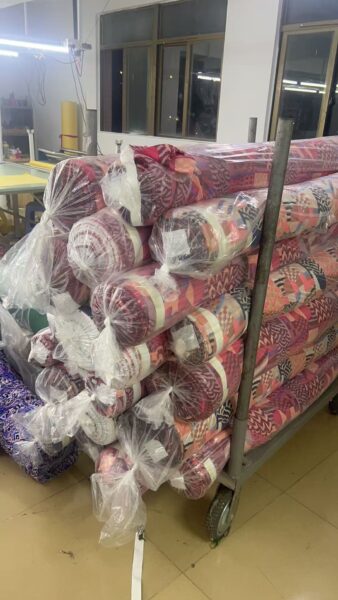
A shade band is a set of fabric swatches selected from bulk rolls to represent the actual range of color variation in a production lot. Instead of judging color from a single swatch, the buyer reviews the lightest, darkest and intermediate shades that may appear in production.
This is different from approving a lab dip. A lab dip is normally approved before bulk dyeing, while the shade band checks the real bulk fabric after production. Buyers who need the earlier color-development process can review our private label clothing color approval guide.
1. Inspect Bulk Fabric Before Cutting
Shade control should begin when bulk fabric arrives at the garment factory. Rolls should be checked for color consistency, width, defects and other agreed specifications before they are released to the cutting room.
Our women’s clothing manufacturer fabric inspection guide explains the wider incoming-fabric process.
2. Compare Rolls Under Consistent Lighting
Color judgments can change under different lighting. The factory and buyer should use an agreed viewing condition whenever possible. For sensitive colors, brands may specify light-box standards or approved lighting conditions to reduce subjective decisions.
3. Build the Shade Band From Real Bulk Rolls
The factory should cut representative swatches from the bulk rolls and arrange them from lighter to darker or by identifiable shade group. The goal is to show the actual variation that exists, not to select only the best-looking swatches.
4. Decide the Acceptable Shade Range
The buyer should identify which swatches are acceptable and which fall outside the approved range. This decision should be recorded before cutting. If the variation is too wide, the factory may need to contact the fabric mill, replace fabric or separate rolls for different production purposes.
5. Keep Each Garment Within One Shade Group
When several acceptable shade groups exist, cutting teams should avoid mixing panels from different groups in the same garment. A front panel from one shade and a back panel from another may create a visible mismatch even if both rolls were individually accepted.
6. Number and Trace Fabric Rolls
Roll identification makes shade control practical. Each roll should be linked to inspection records, shade group and cutting information so the factory can trace which material was used for each production bundle.
For a broader sourcing-control system, see our OEM clothing manufacturer material traceability guide.
7. Pay Extra Attention to Solid Colors
Shade variation is usually more visible in solid garments than in busy prints. Dark navy, black, red, beige, white and pastel tones can all show differences depending on fiber content, dye method and finishing. Matte and shiny surfaces may also appear different even when color readings are close.
8. Recheck After Washing or Finishing
If the garment includes washing, enzyme treatment, special finishing or heat processing, color may shift after sewing. Buyers should confirm whether the approved shade standard applies before or after the final garment treatment.
9. Coordinate Shade Approval With Marker and Cutting Plans
Once rolls are grouped by shade, the cutting plan should respect those groups. The factory may need separate markers, bundles or production tracking to prevent mixing. This is especially important in women’s dresses, blouses, skirts and matching sets where large panels make shade differences easy to see.
10. Keep Shade Approval Records for Reorders
For repeat orders, the original shade band, approved lab dip and bulk fabric records can help the buyer compare future production. Exact color repetition is not always possible across different dye lots, but documented references improve consistency and speed up decisions.
Our fabric sourcing guide for clothing manufacturing covers additional material-planning issues that affect repeat production.
OEM Clothing Manufacturer Shade Band Approval Checklist
- Bulk fabric inspected before cutting
- Representative swatches taken from actual rolls
- Lighting conditions kept consistent
- Acceptable shade range approved
- Rolls grouped and clearly identified
- Different shade groups kept separate in cutting
- Finishing or washing effects considered
- Approval records stored for repeat orders

Conclusion
OEM clothing manufacturer shade band approval helps buyers control one of the most visible fabric risks in bulk apparel production. When the shade range is agreed before cutting and rolls are properly traced, factories can reduce panel mismatch, rework and color-related claims after shipment.
If your order uses custom-dyed or color-sensitive fabric, send your fabric specification and color requirements for production review.