Garment reinspection becomes necessary when a finished clothing order fails its agreed final inspection and the buyer needs evidence that corrective work has resolved the problem. For an overseas brand, the immediate decision is not simply whether the factory can repair the sampled pieces. It is whether the affected production lot can be identified, corrected and checked again before shipment.
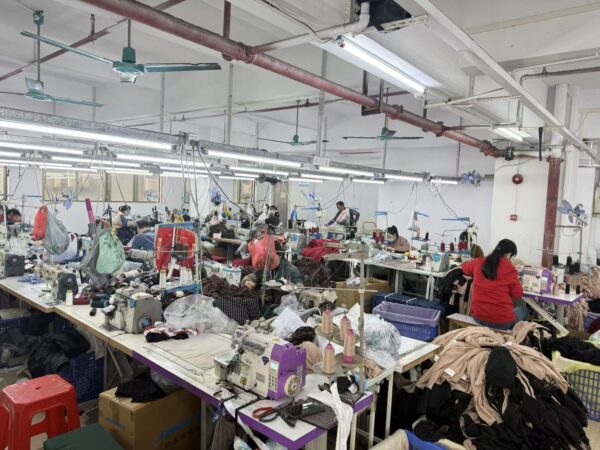
This guide addresses the recovery stage after failure. It gives OEM buyers a practical way to agree responsibilities, protect the approved product standard and make a documented release decision.
Start with containment and a clear defect record
Ask the manufacturer to hold the affected lot while the report is reviewed. Record the purchase order, style, color, size range, carton numbers and production batches involved. Keep held goods physically identifiable so they cannot be mixed with released stock during packing.
Each defect needs a photograph, location and written acceptance reference. “Poor sewing” is difficult to act on; “open side seam at the pocket opening, compared with approved sample revision B” gives the production team a specific problem. Distinguish appearance defects from measurement failures, functional failures and missing documentation.
The original AQL inspection plan remains the starting point for the inspection discussion. Do not quietly change the acceptance criteria because the shipping date is close.
Determine how far the problem extends
A failed sample does not tell the factory exactly how many garments require correction. Ask which operation caused the defect, when it started, which workstations handled it and which bundles passed through them. The response should identify an affected population, not just the garments photographed by the inspector.
For a recurring, observable defect, the buyer may require the supplier to screen every unit in the affected population. Record screened quantities and the number repaired, rejected or found acceptable. A full screen is a corrective activity; it is not a substitute for the agreed independent reinspection.
If the defect involves material performance or a safety concern, set the relevant technical or laboratory review with a qualified provider. Visual sorting alone cannot establish that an unseen performance problem has been resolved.
Approve a repair trial before mass rework
Have the factory repair a small, clearly identified set first. Check both the original failure and damage introduced by repair. Unpicking can leave needle marks, repeated pressing can change appearance, and replacing a panel can introduce shade differences. The acceptable repair method must preserve the garment’s intended construction and fit.
| Repair record | What the buyer should receive |
|---|---|
| Cause and scope | Affected batches and the reason they were included |
| Trial result | Before-and-after images and physical samples where needed |
| Method | Approved operation, materials and quality checkpoint |
| Completion evidence | Repaired, rejected and remaining quantities by batch |
Changes to a seam, trim or specification should follow the existing approval change-control process. A factory should not solve one defect by making an unapproved design change.
Make garment reinspection cover the releasable lot
Agree the reinspection scope with the inspection provider before booking. State the corrected lot size, inspection location, applicable checklist and acceptance plan. Make the full declared lot accessible; presenting only handpicked repaired pieces creates a misleading picture of shipment readiness.
Check the original defect categories again and assess other requirements that could have changed during rework, including measurements, labels, packing and quantity. Verify that rejected units have been removed from the shipping count. Where repairs were limited to specific batches, document the separation between those batches and any unaffected goods.
QIMA’s product inspection guidance describes corrective action followed by a follow-up inspection. Agree the actual inspection scope and fees directly with the chosen provider; a repeat visit should not be assumed to be free.
Rebuild the shipment decision around evidence
The final file should include the initial report, corrective action record, repair approval, reinspection report and buyer release instruction. Keep commercial discussions about delay or repair costs separate from the technical acceptance decision. An urgent freight booking does not make unresolved defects acceptable.
Update the production status report with realistic dates for repair completion, reinspection and packing. Ask for an exception list if anything remains incomplete. Release only the explicitly approved quantities and batches.
Questions to send your OEM clothing manufacturer
- Which cartons and production batches are on hold?
- How was the affected population identified?
- Who approved the repair trial, and against which sample revision?
- What evidence shows the screen and repairs are complete?
- Who will authorize shipment after reinspection?
When discussing an order with Mugekoo, send the style details and quality requirements so the inspection and corrective-action responsibilities can be agreed before production. Specific release rules make problems easier to resolve when a delivery date is under pressure.