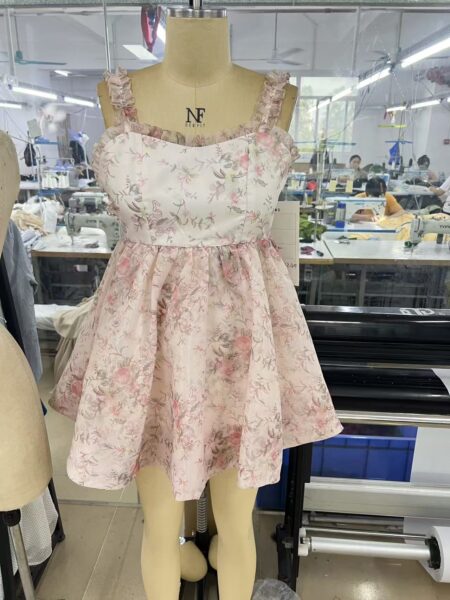
Fabric hand feel approval turns descriptions such as “soft,” “crisp” or “silky” into a material decision that the buyer and factory can reproduce. A bulk lot can match the approved color and composition yet feel noticeably firmer, rougher or less fluid than the development sample.
For woven women’s wear, these differences can affect perceived quality, comfort and the finished silhouette. Overseas buyers need a physical reference and a defined comparison process. Screen images can support identification, but they cannot confirm tactile agreement.
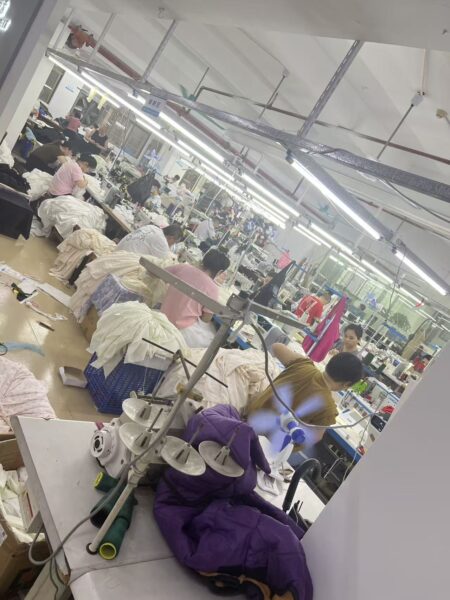
Describe the attributes behind the word “soft”
Identify what the customer experience depends on: surface smoothness, pliability, fullness, crispness, slipperiness or the feeling against the skin. Separate those tactile attributes from opacity, weight, stretch and drape, while recognizing that they may interact in the finished garment.
For example, a blouse brief may require a smooth surface with enough body to hold a collar. A dress brief may prioritize flexibility and a fluid fall. Avoid a general request for “better quality” when the actual concern is a specific change in stiffness or surface feel.
Keep an identified physical standard
Retain a swatch from the approved material, with supplier code, color, lot if known, approval date and intended finish. Give the mill, factory and buyer comparable references. Protect them from handling damage and unintended treatment so they remain useful through development and bulk review.
The reference belongs in the fabric sourcing specification. If an original swatch was washed, steamed or treated, record that state. Comparing finished bulk cloth with an untreated development swatch can lead to an unclear acceptance decision.
Use a consistent comparison process
AATCC lists EP5-2025 for fabric hand evaluation. Its public summary describes standardized presentation and evaluation conditions, including use by different evaluators or at different times. If the buying program specifies that procedure, arrange for the team to follow the full licensed method rather than improvising from the summary.
For an agreed commercial comparison outside a specified standard, document the specimen preparation, evaluation conditions and handling approach. Use comparable pieces and the same relevant fabric face. Ask evaluators to record individual observations before discussing differences, particularly where a disputed lot is being reviewed.
Review the actual bulk finish before cutting
Confirm that the bulk material has reached the finish state on which approval is based. A sample from an unfinished stage cannot prove the final tactile result. If a mill proposes a finishing adjustment, ask for the resulting swatch and performance evidence before authorizing the garment factory to proceed.
Hand feel should be one item in incoming fabric inspection. It does not replace composition, width, defect, shade or dimensional checks. Link each reviewed specimen to the received lot and identify held material so it is not accidentally released with approved stock.
Decide what a difference means for the garment
A small tactile difference may be acceptable for one product and important for another. Evaluate it against the approved design and customer expectation. When the result is uncertain, request a garment or construction trial in the disputed material, especially if stiffness changes a fold, collar or gathered section.
| Finding | Buyer response |
|---|---|
| Matches the retained standard | Record the comparison and continue other release checks |
| Noticeable difference with uncertain effect | Hold the lot and assess the relevant garment construction |
| Finishing adjustment proposed | Approve the resulting material and any necessary retesting |
| Accepted exception | Document the affected lot, quantity, style and approver |
Check performance after a finish adjustment
Do not approve a tactile improvement as proof that all other material requirements remain met. Ask which checks need repeating after the proposed process. The relevant risks depend on the material and treatment; examples can include dimensional stability, color appearance and seam behavior.
For washable clothing, connect the review with wash and care testing. Record whether the approved hand feel refers to the new garment, the garment after the agreed care process or both. Do not promise that every finish will remain unchanged through repeated washing without supporting evidence.
Control replacement and repeat-order material
A repeat purchase with the same commercial fabric name is not an automatic hand feel approval. Request a representative swatch when supplier, lot or finish changes. Compare it with the retained reference and confirm any new agreement before cutting, rather than quietly replacing the reference with the latest delivery.
Use material traceability records to connect approved swatches with garment orders. If the factory and buyer disagree, clarify the evaluation conditions and consider an independent assessment suited to the specified requirement.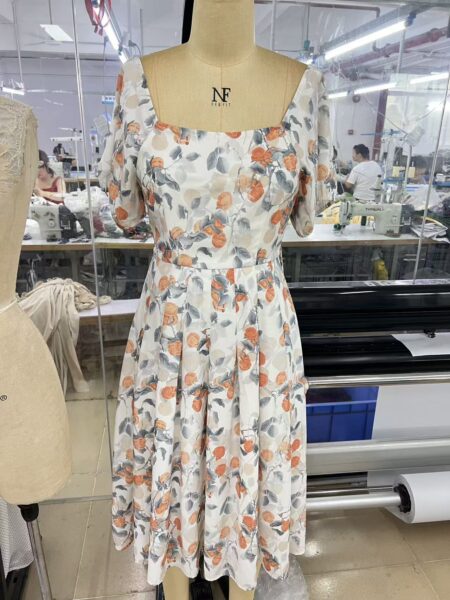
Prepare a material approval request
Send the reference swatch, required tactile attributes, fabric identification and intended garment use. Ask the OEM clothing manufacturer how those requirements will be recorded at sampling and bulk receipt. For fabric hand feel approval on an upcoming women’s wear order, send your tech pack and purchasing requirements to Mugekoo; include the physical standard alongside your written brief.