Satin dress manufacturing starts with a specific fabric and construction, rather than a photograph of a shiny dress. Overseas brands, wholesalers and retailers sourcing woven women’s wear in China need to connect their intended appearance with an approvable sample and a clear production quotation. Fabric selection, cutting direction, lining and seam finish all belong in that discussion before a bulk unit price is accepted.
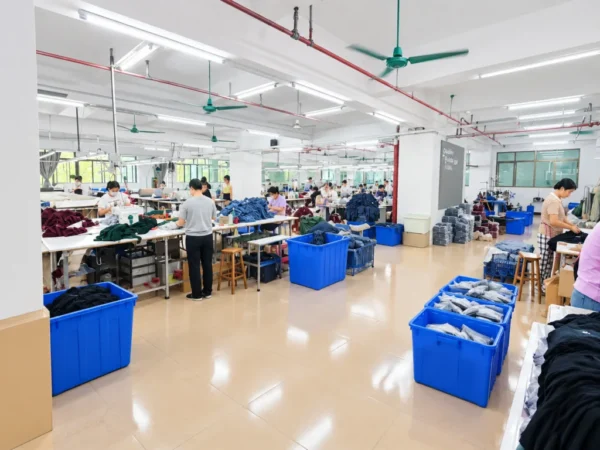
This guide concerns woven satin dresses. Specify the actual composition and fabric construction when enquiring; a supplier’s satin label alone does not identify all material properties. If you are assessing the full production scope, start with the custom clothing manufacturing service and provide a style-specific technical package.
Define the satin and the intended visual result
Send the supplier a fabric reference, available specification and target appearance under agreed viewing conditions. Identify the intended face of the fabric, preferred sheen, weight, stretch requirements and care method. Ask the factory to confirm which proposed fabric matches those requirements and which details remain provisional.
Review a physical swatch before treating an online color or surface photograph as approval. For each proposed color, compare the material with your lining and trim choices. Document the accepted material code and version so the sampling and quotation teams work from the same reference.
Approve actual-material seams and pressing
Ask for trial seams and a garment sample using the proposed bulk fabric. Inspect side seams, darts, zipper areas and hems from the outside as well as the inside. Define the appearance you will accept, including visible ripples, seam impressions and surface marks after pressing. Request a revised trial where an issue remains unresolved.
Coats’ technical guidance on seam puckering identifies several possible contributors, including sewing tension, material structure and uneven feeding. That supports asking the factory to investigate the actual seam, rather than prescribing one machine adjustment for every satin. Keep the accepted trial with the production approval record.
Confirm cut direction, lining and movement together
State whether the design is cut on the straight grain or uses a deliberately approved bias orientation. These are different construction choices; do not leave the decision to an unstated factory assumption. Check that adjoining panels show the intended appearance and that cutting instructions preserve the approved orientation.
Approve lining coverage and attachment while wearing the sample in realistic movement. Check whether the lining pulls at the neckline, armhole or hem and whether its outline is visible through the outer fabric. The woven dress lining selection guide provides a separate checklist for lining decisions; identify the final lining in the price request.
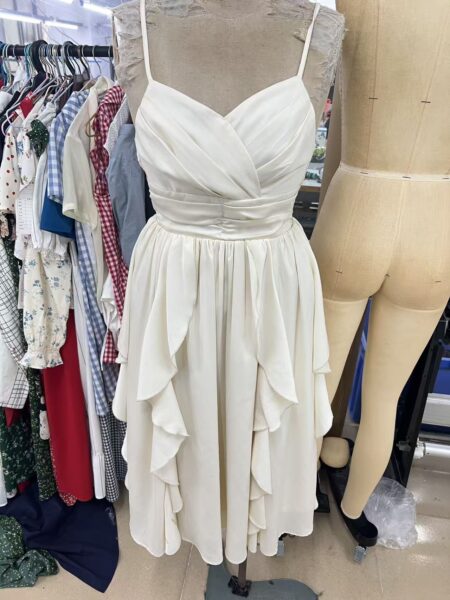
Establish MOQ by style and color
Ask for both the garment minimum and the material purchasing minimum. Available stock colors and a separately developed color may have different purchasing conditions. Confirm the quantity that can actually be secured for your order, together with any material balance you would be required to buy.
Show your quantity by style, color and size. Ask the factory to quote the preferred assortment and one commercially realistic alternative on the same specification. Compare total inventory commitment with unit price; a lower price for a larger order is only useful if the additional pieces fit the buying plan. Do not assume a shared fabric automatically combines the minimums of different designs.
Separate the sample fee from the bulk unit price
A satin dress sample quotation should identify whether it covers pattern development, trial seams, fit revisions, actual materials and final pre-production approval. Additional colors, special trims or another construction revision may need separate confirmation. Courier costs and any proposed sample credit should also be stated.
For the bulk quote, confirm fabric consumption assumptions, lining, trims, cutting, sewing, pressing, labels and packaging. If a previous estimate used an alternative fabric or an unlined version, ask for a revised quotation against the final approval. Use the existing woven dress manufacturing cost breakdown for general cost components; keep this style’s quotation tied to its satin and construction choices.
| Decision | Approval to record | Quotation question |
|---|---|---|
| Outer fabric | Material code, color and intended face | Is this exact material included and available? |
| Cut and lining | Approved orientation and lining arrangement | Which consumption and lining scope were priced? |
| Sampling | Required sample stages and revisions | What is the separate sample fee? |
| Assortment | Style, color and size quantities | Which MOQ and bulk unit price apply? |
Carry the approved appearance into bulk checks
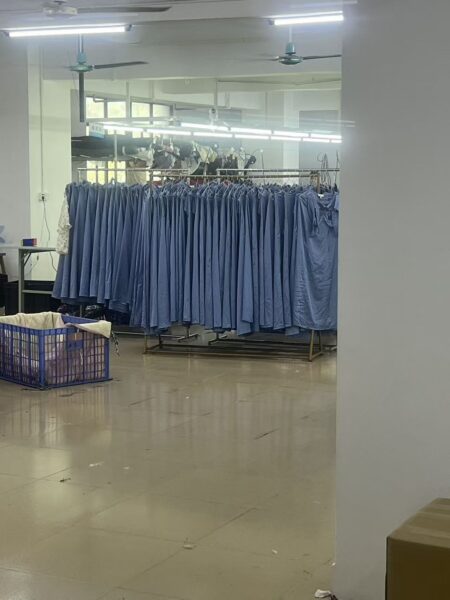
Keep an approved sample and material reference available for production review. Request early production evidence of the agreed seams, panel appearance, pressing and lining interaction. Set the inspection scope and measurement criteria before final packing. A sample approval should be linked to the production specification and any later change request.
Request a satin dress production quotation
Send Mugekoo your design or tech pack, satin reference, lining preference, quantity by color and size, sample requirements and delivery target. Request a satin dress quotation asking for confirmed feasibility, MOQ, sample fees, bulk unit price and quote validity. Share any target budget and the details that must be preserved, so alternatives can be evaluated without silently changing the product. Actual prices, material availability and production timing require review of the specific order.