Fashion brands often ask why one garment sample costs much more than the expected bulk unit price. A private label clothing sample cost covers development work performed for one or a few pieces: pattern making, fabric sourcing, cutting, sewing, fitting, corrections and project coordination. Those costs cannot be spread across hundreds of units.
This guide explains what buyers are paying for, which sample stages may be required and when a fee may be credited after a bulk order.
Why sample prices are higher than bulk prices
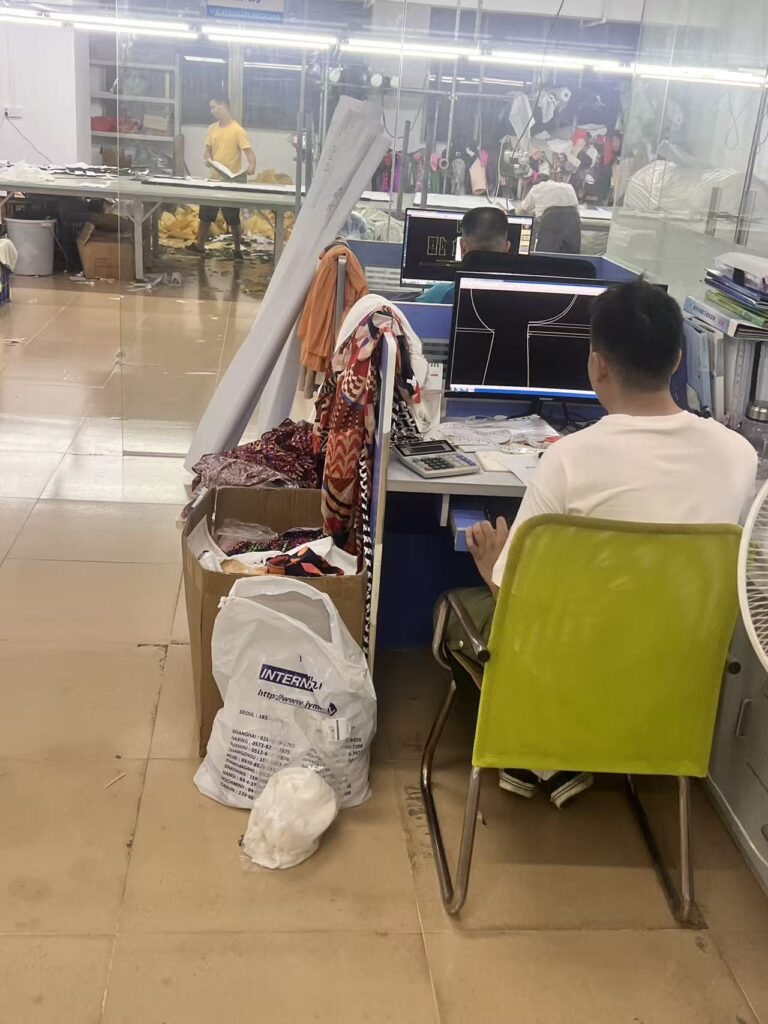
Bulk production uses repeated operations, planned material purchasing and line efficiency. A sample is made individually by skilled pattern and sample-room staff. The factory may need to source a small quantity of fabric, interpret an incomplete tech pack and revise the pattern several times.
The sample price is therefore a development charge, not a preview of the final unit cost. Buyers should request separate quotations for sampling and bulk production.
What a sample fee may include
- technical review of the design;
- pattern creation or modification;
- small-quantity fabric and trim sourcing;
- sample-room cutting and sewing;
- finishing and basic measurement checks;
- photographs, comments and packing;
- project communication and revision records.
International courier charges, special testing, custom print screens, embroidery digitizing and molds may be quoted separately.
1. Development or prototype sample
The first sample translates the design into a physical garment. It may use substitute material when the purpose is to review construction and proportion. Buyers should confirm which details are provisional.
A clear tech pack reduces interpretation time and unnecessary corrections. Use the clothing tech pack guide to prepare drawings, measurements and a bill of materials before requesting a quote.
2. Fit sample
A fit sample tests balance, ease, movement and measurements on the target body standard. The factory may revise the pattern after buyer comments. Multiple rounds can be necessary for fitted woven garments, tailored products or new brand blocks.
Ask how many rounds are included, how revisions are charged and whether a new request that changes the original design is treated as a correction or a new sample.
3. Size-set sample
A size set checks how the approved base pattern has been graded. It commonly includes selected sizes rather than every size. The number of pieces, fabric consumption and fitting work make a size set more expensive than one base-size sample.
4. Pre-production sample
The pre-production sample should represent the approved bulk fabric, trims, construction, labels and finishing method. Its purpose is to lock production standards, not continue major design exploration.
Review the pre-production sample approval checklist before authorizing bulk cutting.
5. Salesman, photo or showroom samples
Brands may need additional pieces for selling, photography or buyer meetings before bulk is complete. These samples can require final materials and near-bulk workmanship but are still made in small quantities.
List the required sizes, colors, delivery date and intended use. A photo sample may prioritize appearance, while a salesman sample may need final labels and packaging.
Factors that change sample cost
Design complexity
Lining, boning, tailoring, draping, hand work, complex pleats, print matching and special closures increase pattern and sewing time.
Material availability
A factory may need to buy a full meterage minimum or pay a cutting charge for a tiny fabric quantity. Custom-dyed material is rarely economical for an early sample.
Number of colors and sizes
Each physical piece consumes materials and sample-room time. Confirm whether one color can represent construction while separate lab dips or swatches approve additional colors.
Artwork and embellishment setup
Printing, embroidery, washing and hardware can require setup costs that apply even to one piece.
Revision scope
Correcting workmanship that does not match the approved specification differs from redesigning the neckline, changing fabric or adding a new detail. Define this distinction in writing.
When is a sample fee refundable?
Policies vary. Some manufacturers credit part of the sample fee after a bulk order reaches an agreed value or quantity; others do not because development labor has already been consumed. A credit is not automatic unless it appears in the quotation.
Ask four questions:
- Which sample stages qualify for a credit?
- What minimum order triggers it?
- Is the credit deducted from deposit or final balance?
- Are courier, testing and setup charges excluded?
How to compare sample quotations
Do not compare only the total fee. Check whether each supplier is quoting the same scope: pattern development, materials, trims, number of revisions, sample quantity and courier. A low quote based on substitute fabric and no revision round is not equivalent to a quote for a final-material pre-production sample.
The complete clothing sample development process helps buyers match each fee to a clear approval objective.
How buyers can reduce unnecessary sample cost
- send a complete, internally approved tech pack;
- define the target customer and fit standard;
- prioritize changes in one consolidated comment sheet;
- separate fit comments from color or styling preferences;
- approve available material for early development when appropriate;
- avoid ordering multiple colors before construction is stable;
- track every sample by style, size and revision date.
Cost control should not mean skipping a necessary approval. An additional sample is cheaper than cutting bulk production from an unverified pattern.
Sample-cost comparison table
| Cost item | Buyer should confirm |
|---|---|
| Pattern | New pattern, modification or existing block |
| Materials | Final or substitute fabric and trim |
| Quantity | Number of pieces, colors and sizes |
| Revisions | Included rounds and redesign charges |
| Special process | Print, embroidery, wash or hardware setup |
| Delivery | Sample lead time and courier charge |
| Credit | Bulk-order threshold and deduction method |
From sample approval to private-label production
Once fit, fabric, construction and labels are approved, the factory can prepare the bulk bill of materials and production files. The private-label women’s clothing production guide explains how these approvals connect to manufacturing.
Final takeaway
Private label clothing sample cost pays for technical development and risk reduction. Buyers should compare the scope behind each fee, define revision rules and obtain written credit terms rather than assuming every sample charge is refundable.
Brands planning private-label development can contact the sample team with a tech pack, reference images and target quantities for a stage-by-stage quotation.