ODM clothing manufacturer design confidentiality matters whenever a brand shares unreleased sketches, tech packs, prints, patterns, samples, pricing or launch dates with a supplier. A confidentiality clause cannot replace good operational controls, but it can define ownership, permitted use and the steps both parties must take to protect commercially sensitive information.
This guide explains what overseas fashion brands, wholesalers and retailers should clarify before beginning ODM development with a women’s clothing factory.
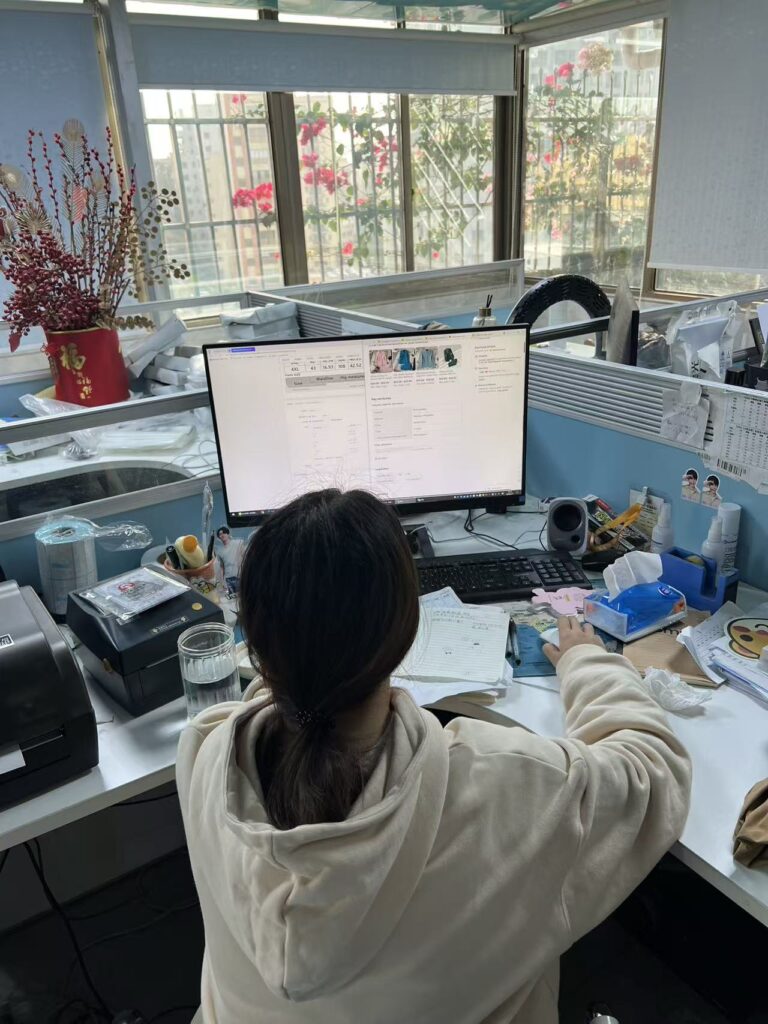
Why confidentiality is different in ODM manufacturing
In OEM production, the buyer normally supplies a developed design and detailed specification. In ODM, the manufacturer may contribute silhouettes, construction solutions, patterns, materials or existing sample concepts. The parties therefore need to distinguish the buyer’s confidential information, the factory’s pre-existing know-how and the new work created during the project.
If the production model is not yet clear, compare the responsibilities in the OEM vs ODM clothing manufacturing guide.
1. Define what information is confidential
A useful agreement should cover more than drawings. Confidential information may include:
- tech packs, measurement charts and bills of materials;
- original prints, graphics and artwork files;
- patterns, grading rules and fit blocks;
- physical samples and material swatches;
- supplier names, prices and costing structures;
- sales forecasts, order quantities and launch dates;
- customer lists and commercial contacts;
- photographs and videos of unreleased products.
Identify information that is already public or independently developed so the agreement does not claim ownership over general manufacturing knowledge.
2. Clarify ownership before development begins
State who owns buyer-supplied designs, factory-created proposals, revised patterns, custom artwork and paid development. Ownership and permitted use are not always the same. A factory may retain its general methods while agreeing not to reproduce or sell a buyer-exclusive design.
If the brand pays for patterns, molds, screens or special tooling, record whether the payment transfers ownership and how those assets will be stored or returned.
3. Use controlled file names and revisions
Give every style a unique code and every file a revision date. Send approved documents through an agreed channel and restrict access to the people who need them. Avoid distributing final artwork across multiple informal chat groups.
A structured clothing tech pack reduces both production errors and confusion about which design information is current.
4. Control physical samples
Mark prototypes, showroom samples and rejected versions with the style number and status. Decide whether samples must be returned, destroyed or retained for production reference. If the factory keeps an approved sample, define how long it should be stored and who may access it.
Rejected garments should not enter ordinary resale or disposal channels when they contain unreleased design features or branding.
5. Include employees and subcontractors
The main factory may use outside embroidery, printing, washing or specialty-processing partners. The confidentiality obligation should extend to any approved subcontractor that receives the design or physical goods.
Ask the manufacturer how it limits access among sample-room staff, merchandisers, pattern makers and external processors. A supplier-qualification review should include data and sample handling, not only equipment and quality systems. See the women’s clothing manufacturer supplier checklist.
6. Set rules for photography and marketing
Factories often document products for technical communication. Clarify whether images may be taken, where they may be stored and whether the factory may post them on its website, marketplace profile or social media.
The safest default for unreleased collections is no public use without written permission. Marketing approval should identify the specific image and the date from which it may be used.
7. Protect custom prints and labels
Provide artwork files in the minimum resolution and format required for production. Printers and label suppliers should receive only the information necessary to perform their work.
After approval, confirm how extra printed fabric, labels, hangtags and packaging will be counted, stored or destroyed. Branded leftovers can create greater commercial risk than plain fabric.
8. Add a sample-development record
Maintain a log of files sent, sample dates, revisions and approvals. When the project ends, both sides should know which materials remain active and which should be archived or deleted.
The clothing sample development process provides a practical sequence for connecting technical approval with version control.
9. Decide jurisdiction and remedies carefully
A confidentiality agreement should state governing law, dispute procedure, duration and available remedies. International enforcement can be complex, so brands should obtain legal advice for high-value designs and market-specific protection.
Operational prevention remains essential: share information in stages, verify the supplier, watermark sensitive presentations where appropriate and keep clear ownership records.
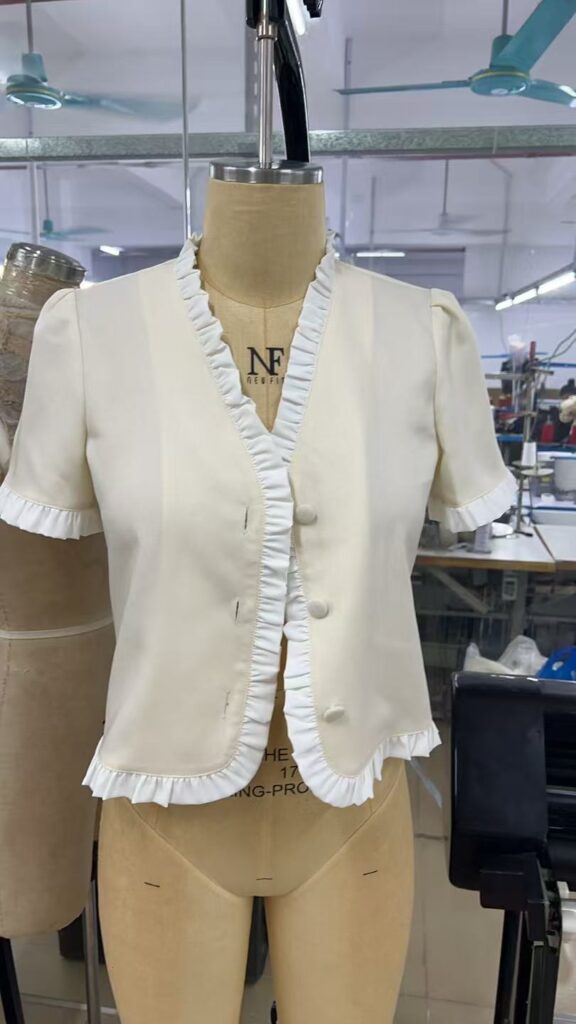
Buyer checklist for design confidentiality
| Control | What to document |
|---|---|
| Scope | Files, samples, prices, suppliers and launch information |
| Ownership | Buyer IP, factory know-how and newly created work |
| Access | Authorized employees and subcontractors |
| Samples | Storage, return and disposal |
| Images | Photography and public-use permission |
| End of project | Return, deletion and continuing obligations |
Final takeaway
ODM clothing manufacturer design confidentiality works best when a clear agreement is supported by controlled files, restricted access, sample tracking and written marketing permission. Brands should define ownership before development starts rather than after a successful style attracts attention.
Buyers planning an ODM women’s clothing project can contact the development team to discuss style scope, sampling and document-control requirements.