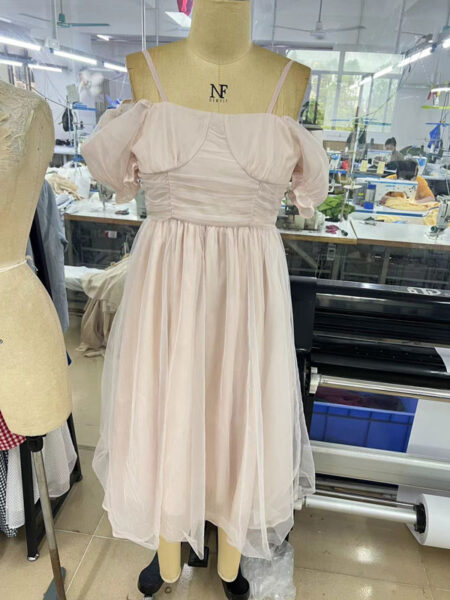
Garment sample comments translate a buyer’s review into instructions a factory can execute. For an overseas women’s clothing brand, a useful comment explains what was observed, which approved requirement it differs from and what decision is needed next. A long email with conflicting images can create more uncertainty than a short, well-structured review sheet.
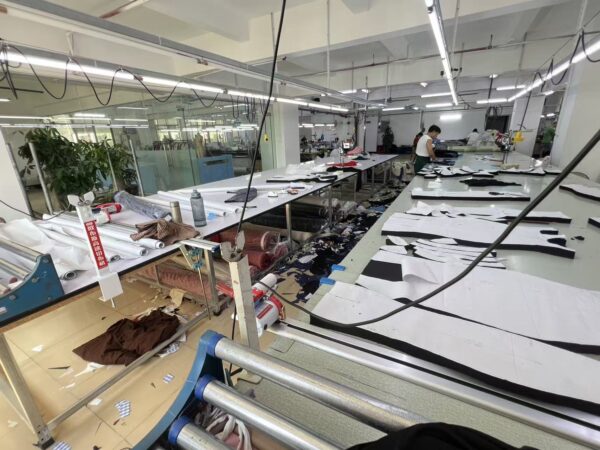
This guide focuses on writing and closing feedback. It complements the overall sampling process by showing how to keep fit, construction and appearance decisions traceable from one sample round to the next.
Identify exactly what you reviewed
Start the comment sheet with style code, sample type, size, fabric code, sample revision and review date. Note whether the sample uses production materials or substitutes. A comment about drape on substitute fabric should not automatically become a pattern change for the final material.
State the specification version used for the review. If the factory and buyer are comparing against different versions, resolve that mismatch before issuing detailed corrections. The sample development workflow should make each review round identifiable.
Separate observations from requested changes
An observation describes the result: the left pocket sits lower than the right, or the measured waist differs from the approved specification. A requested action explains the decision: restore the approved placement, investigate the cause, or submit a revised construction for review.
Do not write “make it better” when a measurable change is possible. Equally, do not prescribe an arbitrary pattern alteration when the cause is unclear. Ask the technical team to propose a correction where fabric behavior, construction and pattern shape could all be involved.
| Unclear comment | More useful instruction |
|---|---|
| Waist is wrong | Record the measured waist, target and measuring method; request a cause review |
| Pocket looks uneven | Mark both placement references and ask to restore the approved alignment |
| Fabric feels different | Identify the sample fabric code and compare it with the approved material reference |
| Approved with changes | List approved elements, open corrections and the next required evidence |
Attach evidence the factory can reproduce
For measurements, show where the tape starts and ends and how the garment is positioned. Use the agreed measurement method and tolerances. Record actual values rather than relying on a photograph alone. If a sample was stretched, steamed or washed before measurement, note that condition.
For appearance, include an overall image followed by a close-up with the affected area marked. Use consistent orientation and lighting where possible. For fit, record the agreed fit model or form information and describe the movement that produces the concern. A static front photo may not explain a problem that appears only when sitting.
Give each issue a unique comment number. Refer to that number in photographs and the factory response so one correction does not disappear inside an email thread.
Prioritize issues and resolve contradictions
Group comments into changes needed for the next sample, questions awaiting a factory proposal and items accepted as submitted. If several people review the garment, consolidate their feedback before sending it. The manufacturer should receive one agreed instruction set rather than separate creative, merchandising and technical emails that conflict.
Check the interaction between changes. Increasing garment ease while moving closures can affect fit and appearance together. Ask for a combined review when one correction changes another approved area. Maintain an issue log with owner, decision, due date and closure evidence.
Make approval status specific
State whether the sample is rejected, requires another review or is approved for a defined next stage. Define any conditional approval in plain terms. “Fabric approved; fit correction still open; bulk cutting not released” is easier to act on than a general approval statement followed by several unresolved comments.
The pre-production sample approval should bring the relevant decisions together. Factory acknowledgement means the comments were received; it is not the same as evidence that the requested changes were correctly completed.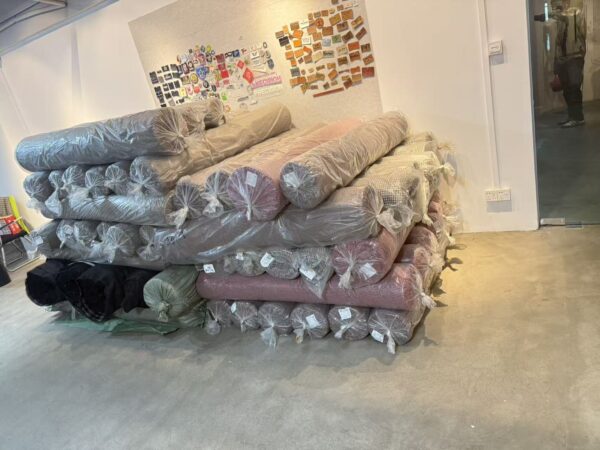
Close each comment in the next round
Carry the previous issue numbers into the next review sheet. Mark each as resolved, still open or superseded by a documented decision. Check for new problems introduced by a correction, not just the original defect. Keep the approved sample and final specification aligned before the next production stage.
When discussing sampling with Mugekoo, send your tech pack and consolidated sample comments. Include the sample revision and the decision you need from the factory. Clear feedback gives the team a better basis for quoting the next development step and identifying what remains unresolved.