Fabric opacity testing helps clothing buyers assess how much a proposed material allows light or contrasting underlayers to show through. For lightweight woven dresses, blouses and trousers, coverage can affect whether a style meets the intended retail expectation. A useful approval plan combines a repeatable material review with assessment of the finished garment. It should state the conditions and acceptable appearance, rather than rely on an informal description such as “not see-through.”
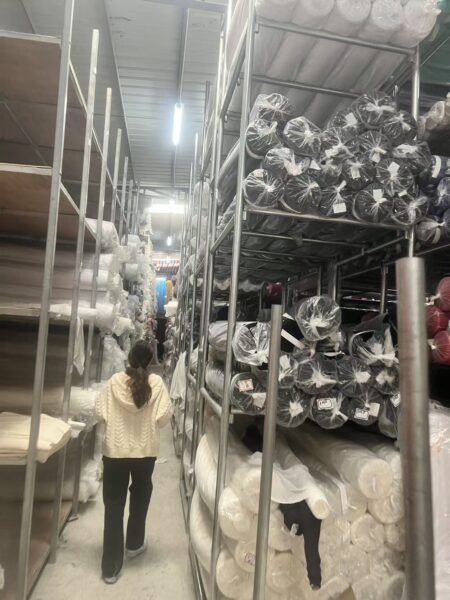
Define the coverage expectation for the product
Identify which areas require coverage and which may intentionally be sheer. A transparent sleeve and an opaque bodice can belong to the same design. Specify whether the garment is intended to be worn alone, over an underlayer or with an included lining or slip.
List the colors being ordered and assess the relevant variants. Do not assume approval of a dark color establishes coverage for a pale version. Record the finished layer arrangement for each area, including any pocket bag or reinforcement that may become visible through the shell.
Create a repeatable visual review
Agree the light source, background, underlayer, number of fabric layers and viewing arrangement before comparing submissions. Keep those conditions consistent. A sample held over a hand under office lighting cannot be directly compared with a finished garment photographed against a bright window.
Retain physical references for an acceptable and, where useful, an unacceptable result. Photographs can help document comments, but exposure and screen settings affect their appearance. Connect the approved sample to the fabric sourcing record so the review refers to a specific material, finish and color.
Choose laboratory testing for the intended end use
If a numerical result is required, ask a laboratory to recommend a suitable method, specimen arrangement and reporting format for the garment material. Define the requested acceptance limit with the buyer’s technical team. Confirm whether the evaluation concerns light transmission, contrast visibility or another property; those terms should not be used interchangeably without explanation.
For context, Intertek’s light-blocking service description discusses transmission measurement for window-covering textiles. That scope is a reason to check method suitability, not to apply curtain blackout requirements automatically to a blouse. A laboratory result must answer the actual apparel approval question.
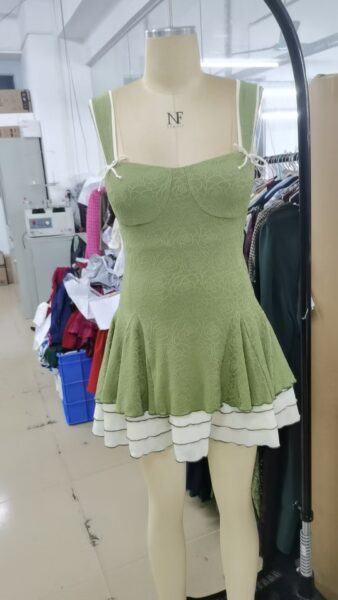
Review the garment in movement
Check the actual garment in its intended size and layer arrangement. Review areas that become taut while sitting, bending or reaching, and compare them with relaxed areas. A fabric can look sufficiently covered when hanging freely while the garment’s fit reveals a different appearance at the hip or bust.
Observe pocket outlines, seam allowances, facing edges and lining boundaries. Where a lining or slip is proposed, evaluate the full combination using the woven dress lining selection guide. Record whether the garment needs a material change, a construction change or a fit correction.
Recheck after the agreed care treatment
Confirm whether approval is required only before care or also after the product’s agreed washing and drying treatment. Review the same areas under the same viewing conditions. Keep changes in dimensions, surface appearance and layer behavior identifiable instead of describing every change simply as reduced opacity.
Use the garment wash-care testing plan to coordinate the assessment. If the shell and lining move differently after care, inspect the finished garment as well as separate fabric pieces. The relevant decision is whether the intended construction still provides the agreed coverage.
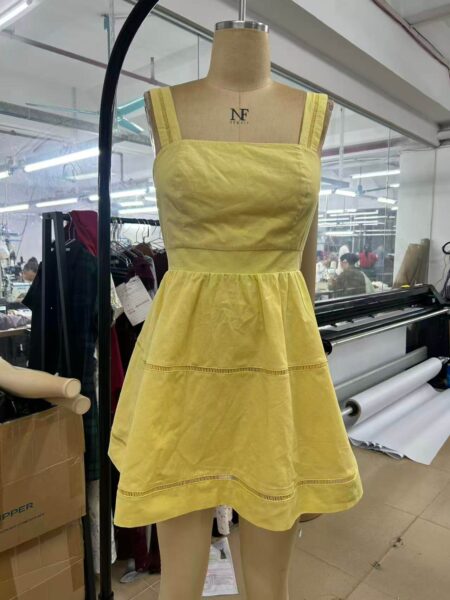
Document any corrective option before bulk cutting
Possible responses include changing the fabric, adjusting color, adding a layer or revising a specific area of construction. Review cost, comfort, drape and care implications before choosing an option. A heavier material may change the silhouette; an extra layer may add warmth or alter appearance.
Request a new sample for the selected solution. Do not release bulk cutting on the assumption that a proposed lining will resolve the issue without checking the combination. Keep the original comments and revised approval connected to the style so the factory can distinguish the rejected arrangement from the accepted one.
Carry approval into incoming material control
Identify the approved fabric and color references, the review conditions, any laboratory report and the garment version. Agree how bulk submissions will be compared and who decides whether a difference is acceptable. The incoming fabric inspection guide helps place this checkpoint before cutting.
For a women’s clothing enquiry to Mugekoo, provide the design, intended coverage, fabric preferences, colors and quantities. Ask the factory to propose representative samples and confirm any laboratory work needed. A documented coverage approval gives production a usable target without making unsupported claims about every garment or wearer.