Launching a new women’s collection often creates a sourcing problem: the brand needs genuine customization, but initial demand may not justify large inventory. Working with a custom women’s clothing manufacturer can solve that problem when product development, MOQ planning and production controls are aligned from the beginning.
This guide is for overseas fashion brands, boutiques, wholesalers and retailers that want to develop original women’s garments in manageable quantities without treating low MOQ as the only buying criterion.
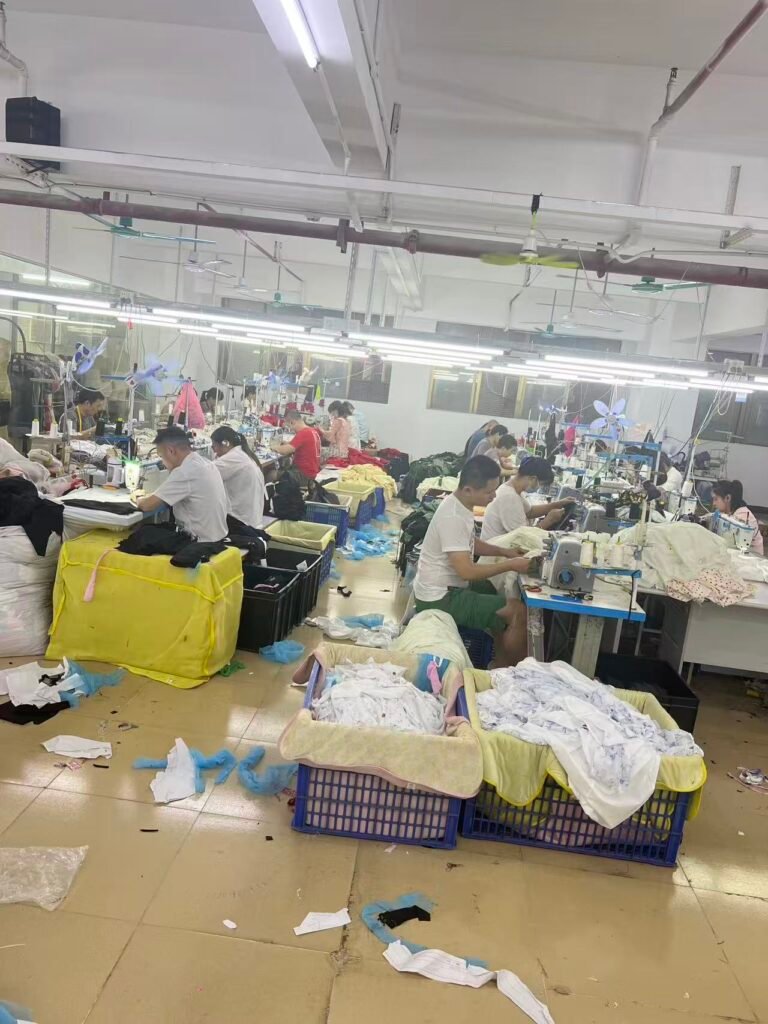
What Buyers Should Expect From a Custom Women’s Clothing Manufacturer
Custom manufacturing means producing to a buyer’s specifications rather than simply adding a logo to an existing garment. The scope may include pattern making, fabric and trim sourcing, sample development, fit corrections, grading, labels, packaging, bulk production and inspection.
The most efficient projects begin with a clear division of responsibility. The buyer defines the target customer, design direction and commercial requirements; the manufacturer converts those requirements into a manufacturable product and identifies technical or sourcing constraints early.
1. Build a Focused First Collection
Small-batch does not automatically mean simple. Ten styles in multiple fabrics and colors can create more sourcing complexity than a larger order concentrated in two or three styles. New buyers should prioritize products that share compatible materials, trims or construction methods where possible.
This approach can reduce development time, simplify fabric purchasing and make production planning more predictable. It also gives the brand cleaner sales data for deciding which styles deserve replenishment.
2. Prepare Specifications Before Asking for a Final Price
A reference photo alone is rarely enough for an accurate production quotation. Price depends on fabric consumption, construction, finishing, trims, order quantity, packaging and quality requirements.
Provide a tech pack or structured specification with measurements, construction notes, fabric direction, colorways, labels and expected quantities. If your team is building its first production file, review how to create a clothing tech pack for manufacturers.
3. Plan Low MOQ Around Fabric Availability
Many brands search for a low MOQ manufacturer, but the garment factory is only one part of the minimum-order equation. Fabric mills, dyeing, printing, special trims and custom hardware can each have separate minimums.
For smaller collections, stock-supported fabrics and commercially available trims can provide more flexibility than fully custom materials. When a custom color or print is essential, ask about minimum yardage, surcharge and lead time before approving the sample.
Brands comparing small-order strategies can also review the low MOQ clothing manufacturing guide.
4. Treat the First Sample as Product Development, Not a Finished Standard
The first sample tests whether the design, pattern and chosen material work together. It may reveal fit, proportion or construction issues that were not obvious in a sketch.
Review the sample systematically. Record measurement changes, fit comments, construction corrections and trim changes in one revision document. Avoid sending fragmented corrections across multiple chat messages, because conflicting instructions can create unnecessary sample rounds.
For a more detailed workflow, see how to manage clothing sample development before bulk production.
5. Calculate the Real Production Cost
Unit price should be evaluated together with sampling, fabric minimums, labels, packaging, testing, freight and possible surcharges for small quantities. A slightly lower sewing price does not necessarily create a lower landed cost if the project generates excess fabric or repeated sampling.
The practical goal is not the cheapest quotation. It is a cost structure that can be repeated when the style sells. Buyers can use this clothing manufacturing cost guide to understand the main variables.
6. Lock the Production Standard Before Bulk Cutting
Once fit, fabric, trims and construction are approved, establish the final production reference. Confirm measurements and tolerances, color, labeling, packaging and any workmanship details that are important to the brand.
This reduces interpretation during bulk production and creates a clearer basis for inspection. Changes requested after fabric cutting can increase both cost and delay, so the approval stage should be treated as a commercial checkpoint.
7. Use Quality Control Appropriate to Women’s Fashion
Women’s clothing often combines appearance-sensitive details with fit requirements. Quality checks may include neckline symmetry, seam smoothness, zipper operation, print or stripe alignment, hem level, lining, button placement, measurement tolerance, pressing and overall presentation.
Inspection should happen at more than one stage. In-line checks can identify recurring sewing problems before the whole order is completed, while final inspection verifies finished goods against the approved standard. The garment quality control checklist provides a useful framework for buyers.
8. Scale Based on Sell-Through, Not Guesswork
A well-managed small batch gives the buyer market information. Track sell-through by style, size and color, then use that data to plan repeat orders. When a style proves demand, larger repeat quantities may improve material purchasing and production efficiency.
For the manufacturer, repeat orders are also easier when the approved pattern, specifications and production notes are stable. This is why disciplined development in the first order can create value beyond the initial quantity.
Buyer Checklist for a Small-Batch Custom Collection
- Define target retail price and target production cost.
- Limit unnecessary style, color and trim complexity.
- Prepare measurements and construction requirements.
- Confirm fabric availability and material MOQ.
- Budget for sampling and revisions.
- Approve a final production standard before cutting.
- Agree on inspection criteria and packaging.
- Plan replenishment around actual sales data.
Final Takeaway
A custom women’s clothing manufacturer is most valuable when it helps turn creative direction into a controlled, repeatable production process. For small-batch collections, success depends on balancing customization with material availability, development discipline, realistic MOQ planning and quality control.
Mugekoo supports women’s apparel development and manufacturing for overseas buyers. The brand name is secondary to the sourcing objective: buyers should be able to understand the production process, prepare better specifications and evaluate whether the manufacturing service fits their collection.